What Will New College Students Face? Here’s the Good, the Bad, and the Ugly.
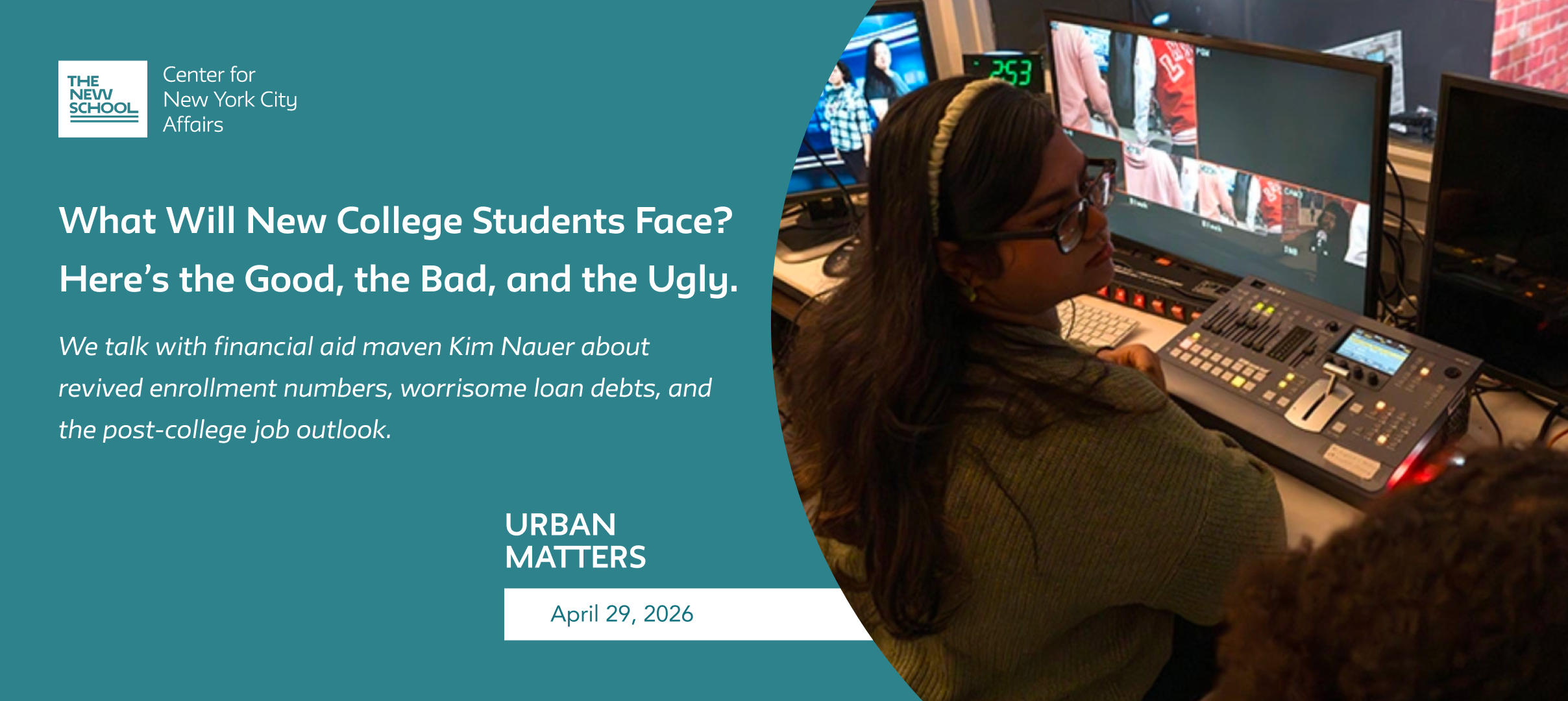
Urban Matters: Kim, do we have some good news to start with? It’s the end of April, and by now most college-bound high school seniors should know if they’ve been accepted for fall freshman classes. What’s your take on how the admissions and college aid processes have played out this school year?
Kim Nauer: There is a lot of good news. Despite a drumbeat of headlines questioning the value of college, application and enrollment numbers are up, returning to the strong numbers we saw before the Covid pandemic. We can see Class of 2026 trends by looking at the number of students filling out the popular Common App to apply to college. Applications from low-income, minority, and first-generation students are up dramatically and outpacing their peers. In college enrollment trends, the numbers are growing despite the fact that the number of high school seniors has been going down. Importantly, this group seems to be moving away from the expensive four-year degree and instead embracing two-year programs and vocational schools designed to get students into the workforce quickly.
UM: Well, about the workforce: It seems that every few days there’s a new story out about what a tough time recent college graduates face finding jobs they’ve often racked up big debts training for. From where you stand, what effect is that having on decisions to go to college in the first place?
Nauer: Yes, we’re seeing higher unemployment rates for recent graduates. But the trends for grads who are employed are even more concerning. A recent report by the Federal Reserve revealed more than 40 percent held jobs that do not typically require college degrees. A recently published book tracks the lives of this new “college educated working class,” crediting displaced Gen Z graduates with headline-grabbing unionization efforts at Starbucks, Apple, Amazon, and elsewhere. And now AI is threatening huge numbers of jobs in technology and business, two majors that students used to be able to count on for a big paycheck. A recent poll by the Harvard Kennedy School concludes that the confluence of events has “shattered young Americans’ trust in the world around them.”
But again, I come back to the numbers. As a rule, college graduates make more money and have more stable careers than high school graduates. The trick is getting through college with little or no debt – and then making the most of the professional connections that college can offer. Gen Z and Gen Alpha will need to be debt-free and endlessly entrepreneurial to make it in this new economy.
UM: One effect of this pinched job market for recent grads is that record numbers of college loan borrowers are now seriously behind in repayments. Doesn’t this hurt their current and future financial health? And how does this gloomy reporting affect students thinking about going to college now?
Nauer: This is a nasty moment. The government is managing $1.7 trillion in student loan debt with fewer than half of borrowers currently repaying their loans. One-quarter of these loans are in default, with borrowers facing wage garnishment and plummeting credit scores. Most don’t have a huge amount of debt. On average, they owe $34,000. But the student loan system is in chaos right now, with the Trump Administration actively preventing borrowers from re-working their debt or taking advantage of income-driven repayment plans that should be easily available to them.
Adding to the confusion, current and future college students need to contend with new government loan limits going into effect on July 1st. The undergraduate student loan program remains unchanged, with typical high school students able to borrow a modest $5,500 - $7,500 per year depending on how long they have been in school. But parents and grad students will be prevented from taking out the large government-backed loans that were available in the past. While less debt is certainly better, many worry that lower-income students will be prevented from pursuing expensive degrees like medical school because government loans won’t cover the cost and they will be unable to get private loans. All of this makes it hard for families to plan for college debt in a rational way. No one knows what will happen in the future.
UM: Last month, the Trump administration announced plans to move management of the Federal Government’s student loan portfolio from the U.S. Department of Education to the Treasury Department. What effects will this likely have on current or future student borrowers?
Nauer: This is part of a larger effort to ultimately shut down the Department of Education, which has been systematically gutted over the last two years. A part of me thinks that there is no way things could get worse. The Department of Treasury is home to a mammoth set of financial systems and is already doing a great deal of work behind the scenes with Federal Student Aid. Honestly, we just need an agency that is sufficiently staffed and resourced so students and borrowers can get the customer service they need to obtain loans and comfortably pay them back. President Trump has made it clear he will not place this trust in the Education Department. That said, advocates rightly worry about student loan borrowers. What might happen to them now, given that the Treasury Department can garnish wages and Social Security payments with a keystroke?
UM: Ok, final question. Given all this, what advice are you giving students, families, guidance counselors – and your own college-age children – about what’s ahead?
Nauer: I used to believe that a limited amount of student loan debt could be viewed as an investment in a student’s future. Now I am actively questioning that assumption, particularly for undergraduates. My new mantra: Go to an inexpensive school with the goal of taking out little or no debt. If you plan on getting a professional degree, you may need to take out loans. Look at your entire career path. How much school will you need? And how can you accomplish this with as little debt as possible? We cannot trust the government to run a stable loan program. And we cannot trust the economy to provide jobs. Plan accordingly, knowing that you will need to be agile and shrewd.
Kim Nauer is a project director at the Center for New York City Affairs at The New School and founder of the website Understandingfafsa.org. In addition to her work on financial aid, she has authored major reports on college preparation, chronic student absenteeism, and other subjects related to New York City public schools.
Photo credit: Laguardia.edu