


Research to improve livelihoods in NYC

Better wages and working conditions in the gig economy. Lifting the incomes of childcare providers, home health aides, and other woefully underpaid but vital workers. Ending the pernicious gender pay gap. Reforming New York State's dysfunctional unemployment insurance system. Ensuring that City and State tax and spending policies benefit every community.
Since its founding in 2017, CNYCA's Economic and Fiscal Policies Team has built a strong track record of researching and proposing solutions to these and other key issues in today's New York.
This report by Mohamed Obaidy, Ph.D. examines a distinct dimension of inequality in New York City: the distribution of income between labor and capital.
This report by Dr. Amanda Page-Hoongrajok lays out how countercyclical fiscal policy, meaning a government using its own spending and taxation power to smooth out business cycle fluctuations, is a powerful tool in a downturn.

The Center for New York City Affairs’ Universal Child Care Cost Model is a dynamic tool to evaluate the total costs and phases of implementation toward a fully universal system for children ages six weeks to five years old. It can be modified to guide policy design as New York City and State move forward on their historic investment in child care.


This memo outlines the two most critical program under-funded in the State budget in need of City investment. Recognizing that the City also faces existing revenue constraints, this memo outlines several scenarios so that policymakers can make headway on these initiatives even if they cannot be fully funded in this budget. This memo also provides cost estimates, and their underlying assumptions and methodology, for both priorities.




This budget brief details an estimate of the City budget cost to provide salary parity for the nonprofit human services workforce.
This fact sheet updates The Fiscal Flow between New York City and Albany, a December 2025 report coauthored by the Institute for State & Local Governance at the City University of New York and the Center for New York City Affairs at The New School, that estimated the “fiscal flow” between the city and state.

In this report, the Center for New York City Affairs provides insight on the challenges incoming Mayor Mamdani, Governor Kathy Hochul, and the City and State legislative branches face at the outset of 2026.
This fact sheet updates The Fiscal Flow between New York City and Albany, a December 2025 report coauthored by the Institute for State & Local Governance at the City University of New York and the Center for New York City Affairs at The New School, that estimated the “fiscal flow” between the city and state.

This report centers the experiences and perspectives of people who own, direct, or work in the over 10,000 licensed ECE programs in New York City, which collectively have the capacity to serve 468,000 children daily, and outlines key findings and policy recommendations.

This brief examines economic trends in New York City since 2019 (pre-pandemic) and addresses the minimum wage and millionaire tax proposals.





This report documents profound pay inequities in the nonprofit human service sector, traces their historical roots, and provides a blueprint for the City to establish salary parity for its contracted human services workforce.

This report outlines an array of fiscal policy challenges in January 2025 and suggests ways to meet them.

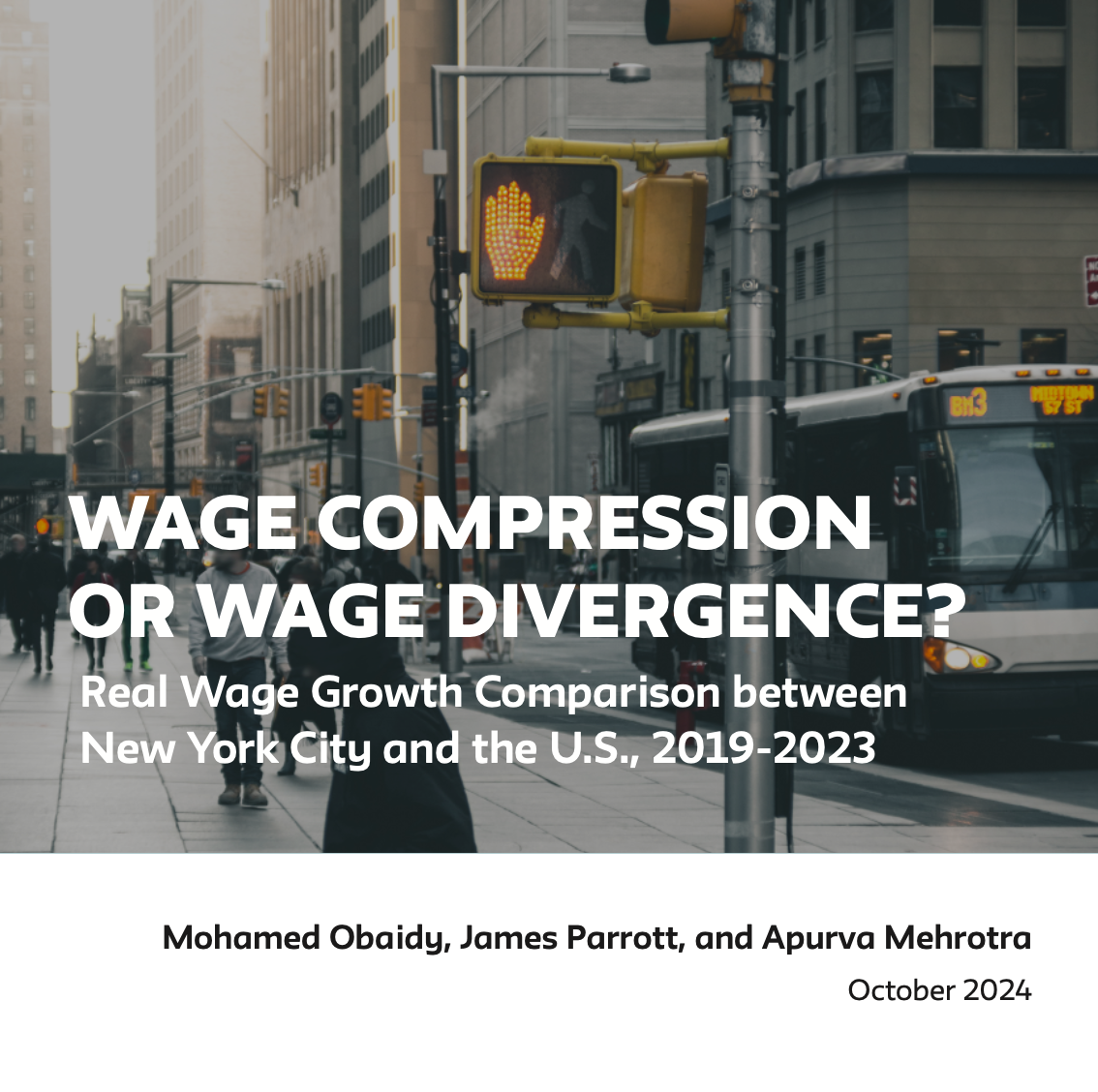
This report provides a comprehensive analysis of inflation-adjusted wage (real wage) growth in New York City from 2019 to 2023, and how these trends compare to national wage dynamics. Our findings show a significant divergence in the city’s real wage growth, marked by rapid gains for high-wage workers and slower growth for low-wage earners.



This report focuses on occupational and industrial segregation. With a deep dive into how the uneven distribution of men and women across job types and economic sectors contributes to wage disparities, this report examines the structural labor-market factors that funnel women into lower-paying employment and perpetuate economic inequity.

This report follows up on the first Astoria Project report, which offered an in-depth account of the economic, social, and mental health impacts of Covid-19 on workers in Astoria. It synthesizes survey data from 415 gig workers, freelancers, and independent contractors from Western Queens.
This report is a case study of how city government policy and budget choices relating to public transit subsidies have differential effects on New York City communities by race, ethnicity, and income. It compares public subsidies for various public transportation services as well as the demographic characteristics of those likely to benefit from each.

This report proposes New York City collecting payments from wealthy hospitals and universities that are exempt from the local property tax as an alternative or interim step towards generating revenue.

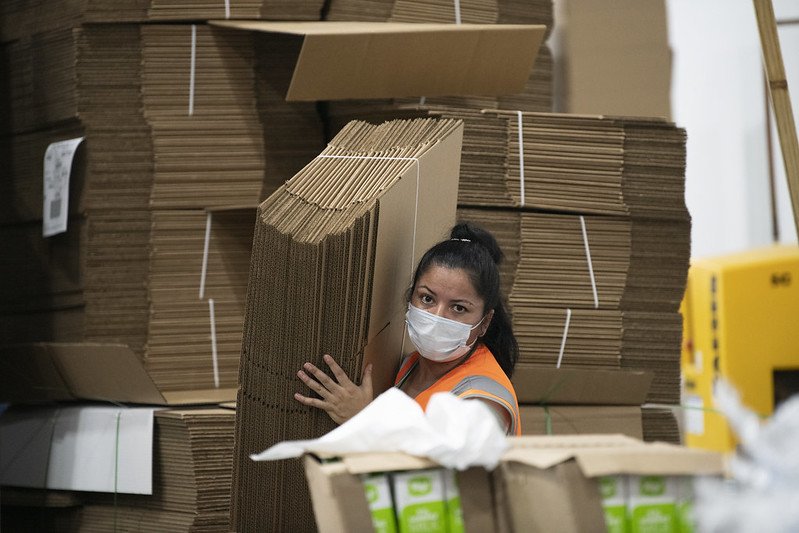
The state’s rate of on-the-job injuries is far higher than the nation’s – and it’s climbing fast.
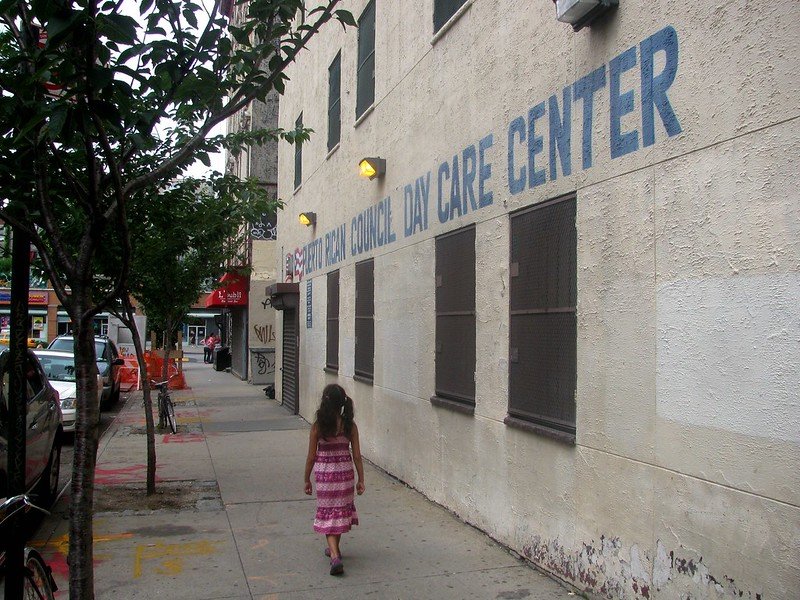
Emergency Covid relief funds eased pressure on families and child care providers. That’s not an option anymore. Now what?


This report is based on an extensive survey of drivers regarding current expenses, current data on the vehicle fleet, research on the cost of charging electric vehicles (EVs), additional investigation into the costs of renting a TLC-registered vehicle, and research on vehicle-related costs.

.jpg)


A tale of two budgets, as State and City leaders reveal spending plans for the year ahead.

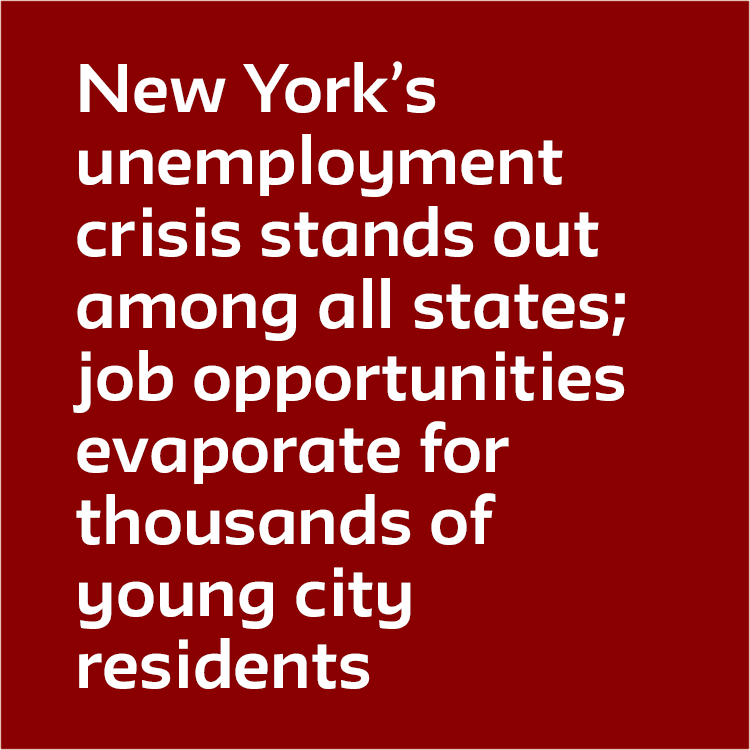
This report summarizes the dual economic status of the state and city at the end of 2023. It reviews data showing how New York’s lagging employment recovery from the pandemic affects those in the bottom half of the income distribution, while also discussing how the State’s economic strength in high-paying industries has lifted State revenue growth.
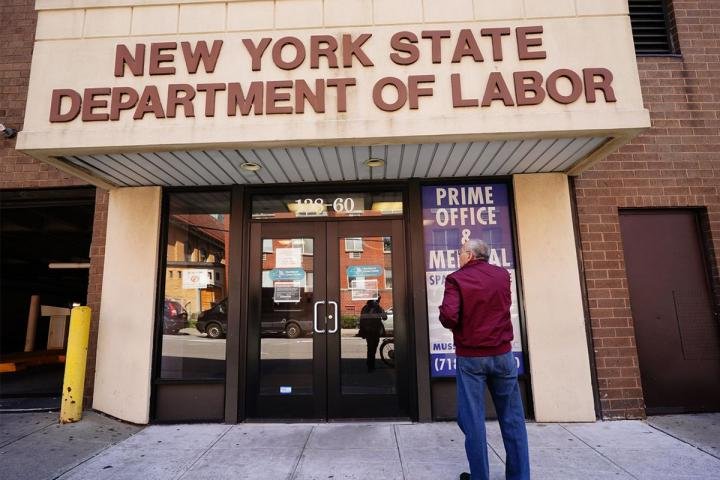
Older workers make up a growing share of the discouraged long-term unemployed who have given up actively hunting for work.


.jpg)
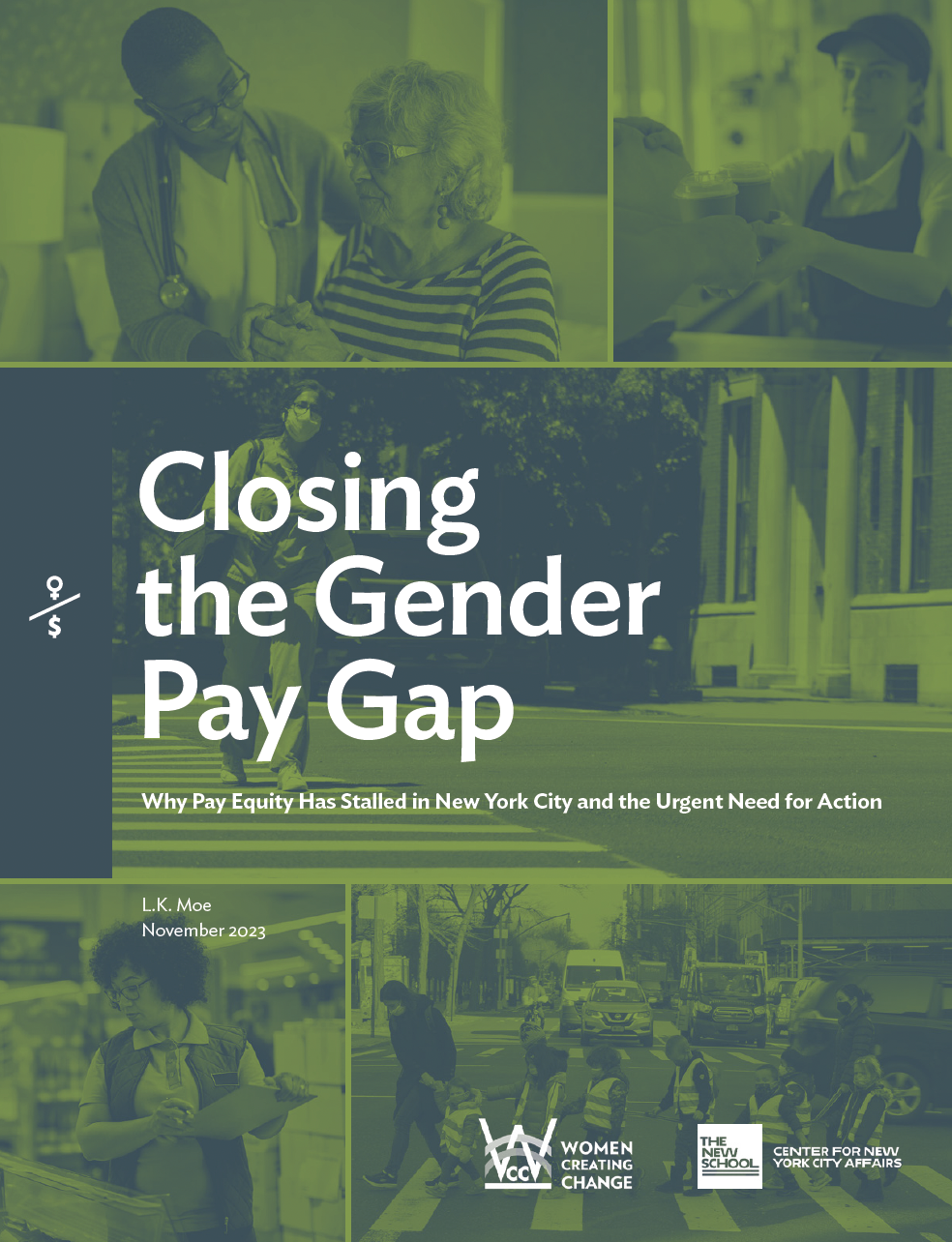
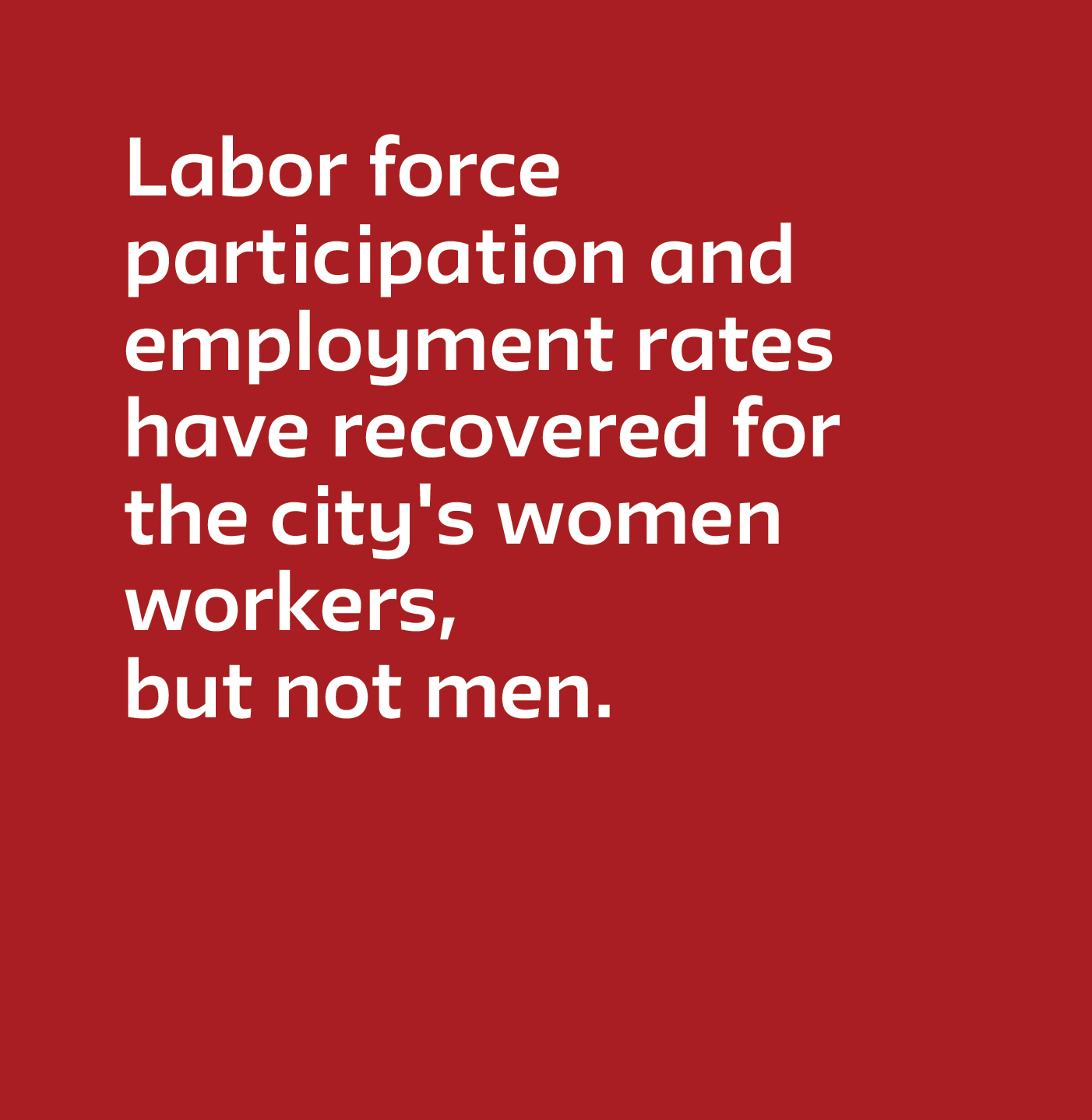
This report examines the drivers of gender pay inequity and the economic, social, and policy reasons women have not made more progress in New York.
The September 14, 2023 release of the Census Bureau American Community Survey (ACS) data on household income and poverty levels for 2022 provides fairly definitive confirmation of New York City’s lagging recovery from the disruptive economic impact of the Covid-19 pandemic.

.jpeg)
This report provides a foundational understanding of the unique experiences of New York City’s home-based providers. It seeks to illuminate underlying issues related to the closure of regulated home-based ECE programs and identify policy and other recommendations that can strengthen and stabilize these programs.

The Center for New York City Affairs conducted an analysis to measure the projected economic impact of a local public bank, based on the business model put forth by local advocates. The analysis focuses on job creation, affordable housing development and preservation, and community development lending during the bank's five-year start-up phase, the time it is projected to take to achieve a full lending portfolio.
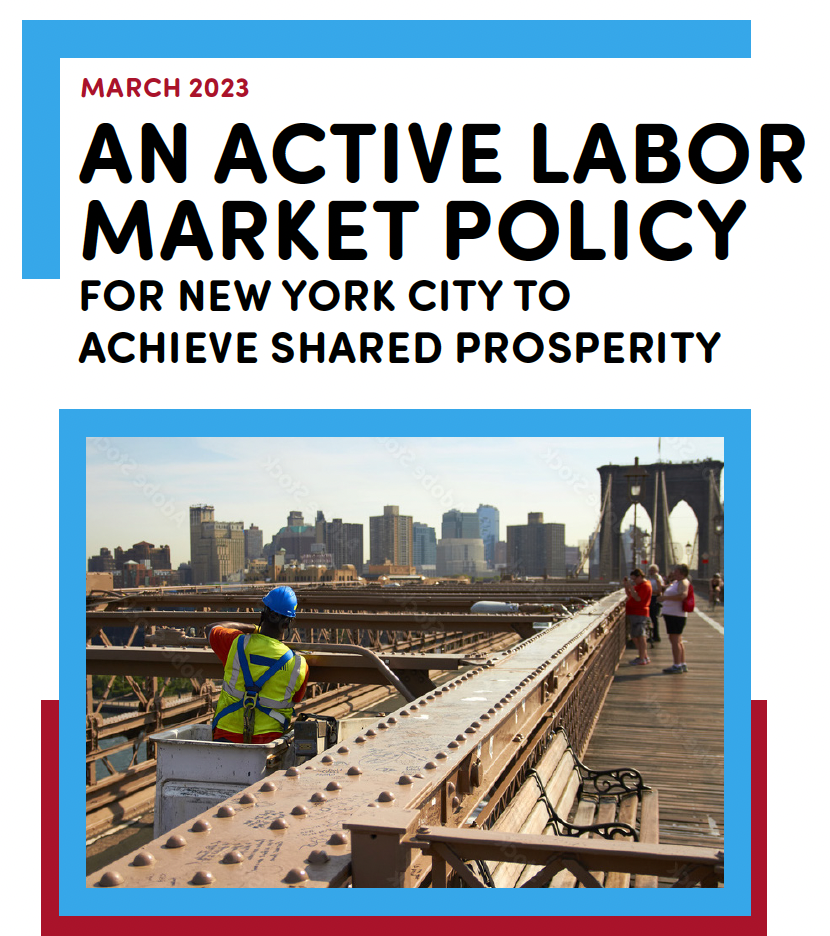
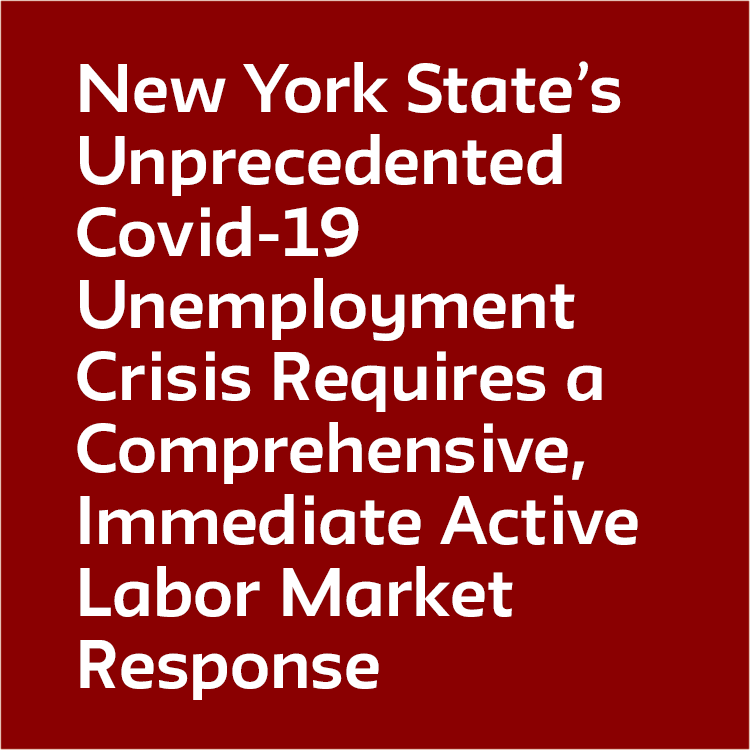
This report recommends an active labor market policy for New York City. It documents the many ways in which the pandemic has unsettled the city’s labor market and compounded pre-pandemic inequities for low-income workers and workers of color who were disproportionately hit by Covid-related displacements.

Testimony Submitted to the New York City Taxi and Limousine Commission Hearing on The Proposed Amendments to the Minimum Driver Payment Rules for High-Volume For-Hire Services

Testimony Submitted to the Labor and Public Employees Committee Connecticut General Assembly Hearing on An Act Concerning Rideshare and Delivery Driver Minimum Standards

New York’s Unemployment Insurance trust fund debt burden can only be addressed by overhauling the financing system. By following the lead of other states that assess unemployment taxes on a higher portion of payroll and on gig companies, New York can make sure big corporations pay their share, expand the state’s inadequate benefits, and actually reduce taxes on small businesses.


Testimony before the Joint Legislative Hearing Committee on 2023-24 Executive Budget Proposal: Human Services
The report identifies the ways in which economic conditions and prosperity can have an impact on criminal activity and public safety. It also offers evidence from New York City’s recent past that economic policies can play a role in reducing crime.

This report combines an analysis of the current state of New York City’s changing labor market with a survey and examination of the city’s workforce system – the array of agencies, training programs, and support services designed to help jobseekers find work and careers.

Testimony before the Assembly Standing Committee on Labor Subcommittee on Emerging Workforce Assembly Hearing to Address the Persistent Increase in People Leaving the Workforce, Focusing on the Factors Contributing to This Trend and Potential Solutions and Workers and Affected Industries
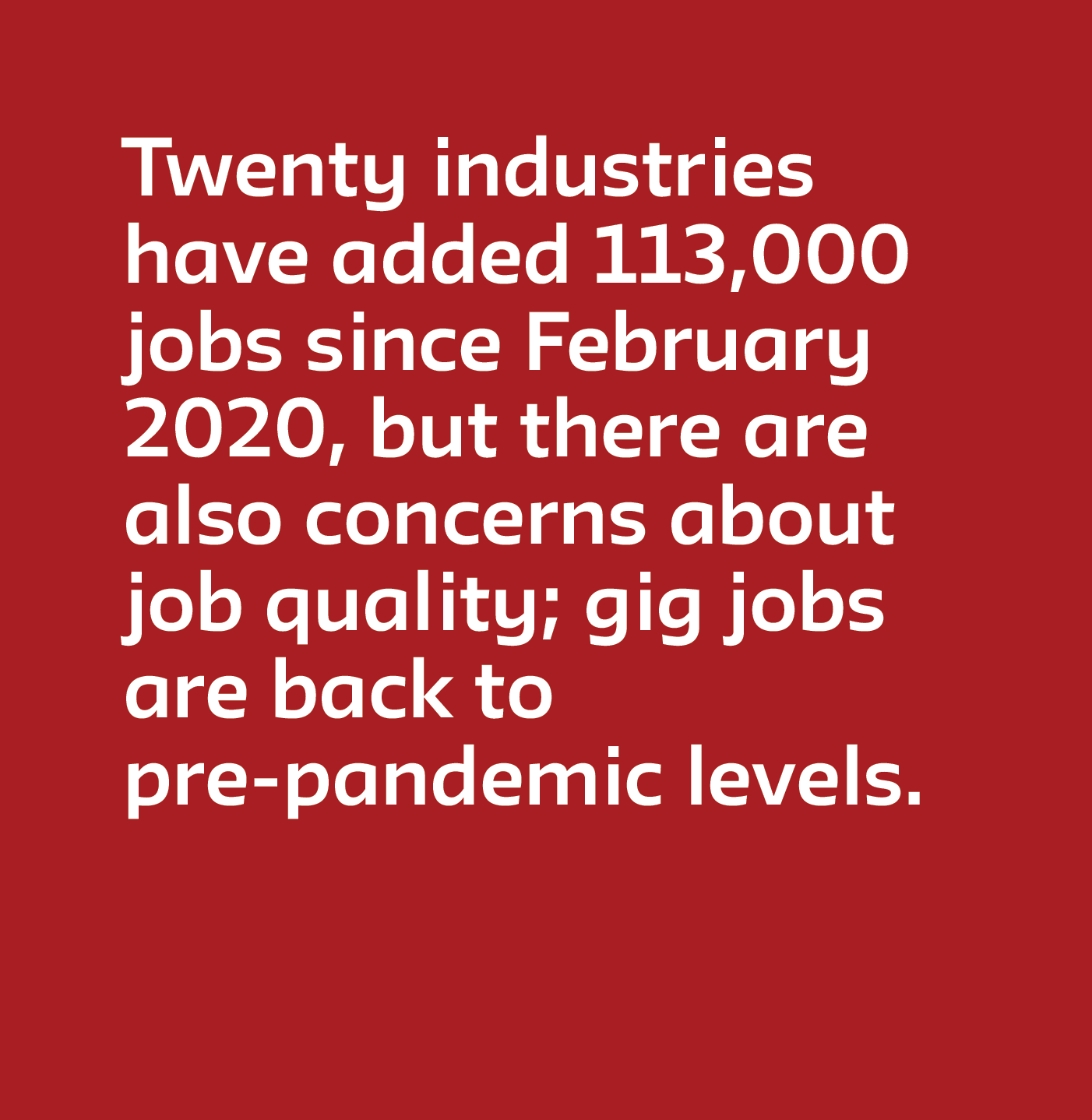
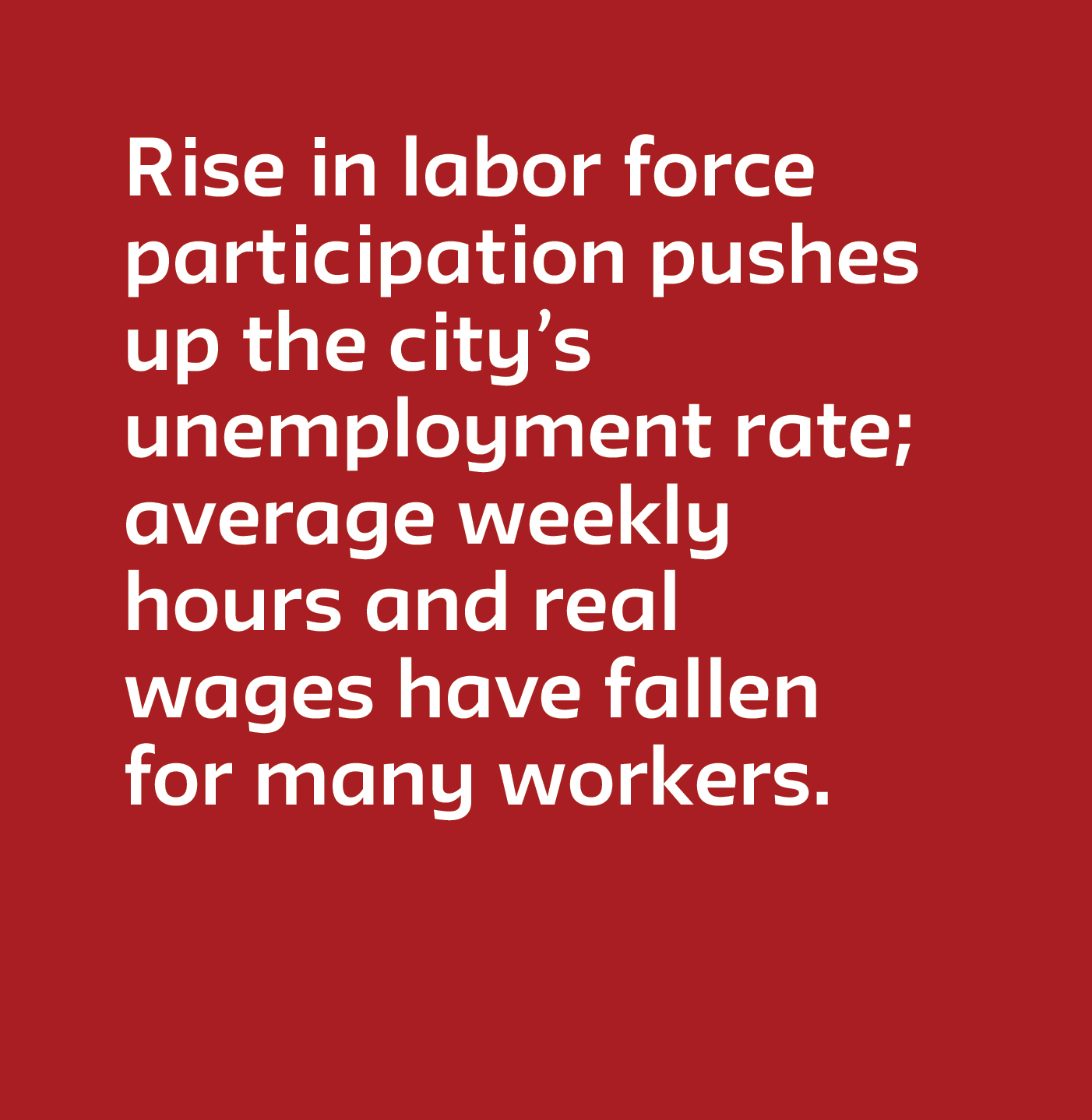
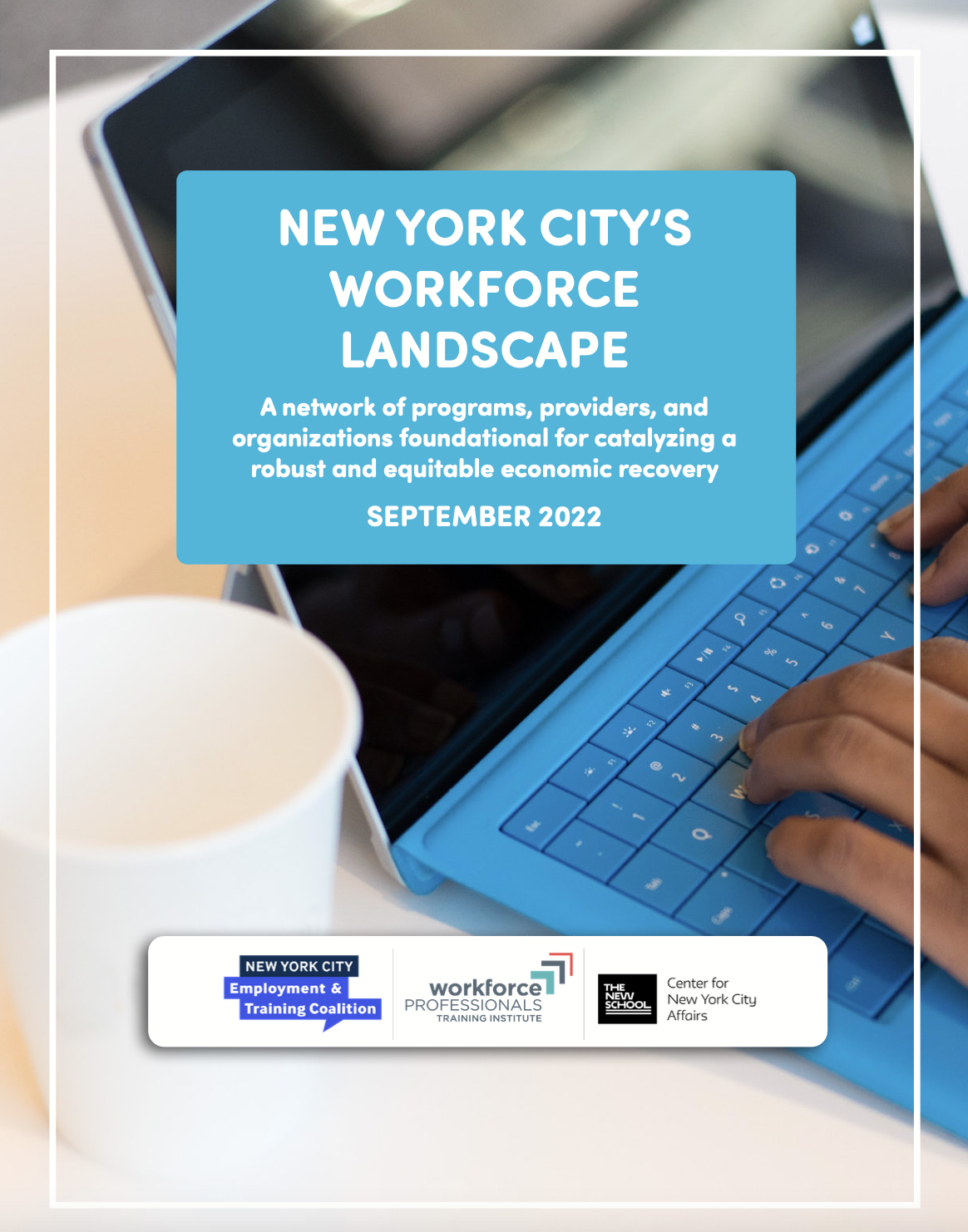
This report offers an extensive overview of the city’s existing workforce development landscape using results from a survey that details the size, scope, and budget of the organizations that make up New York City’s workforce ecosystem; outlines the areas of service, modes of program delivery, and range of certificates and trainings offered; and describes the current state of affairs for the sector in 2022, underscoring the top challenges, needs, and priorities of workforce providers.
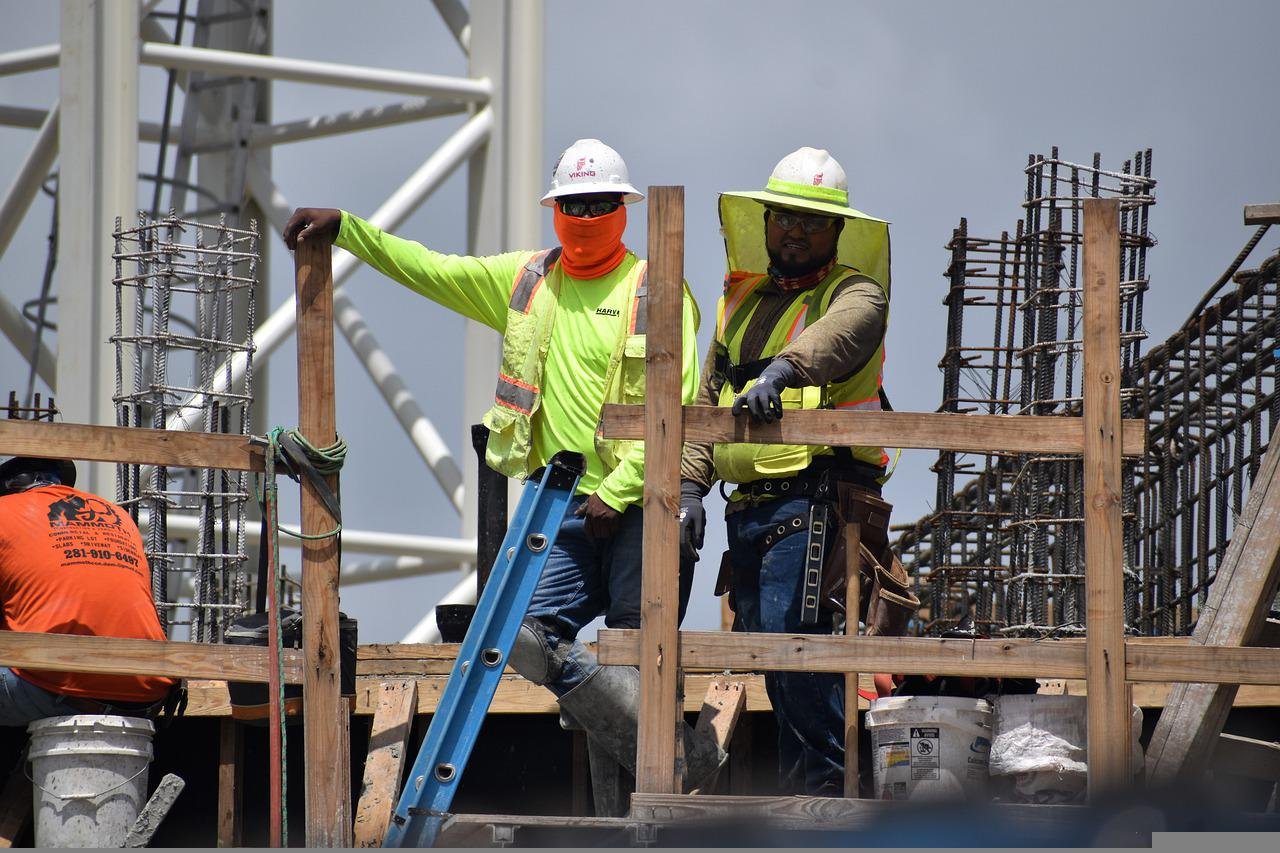
In this report, we focus on workers in New York’s low-paid industries that have the largest number of potentially misclassified workers: those who should be considered employees but are misclassified as independent contractors, including gig workers.
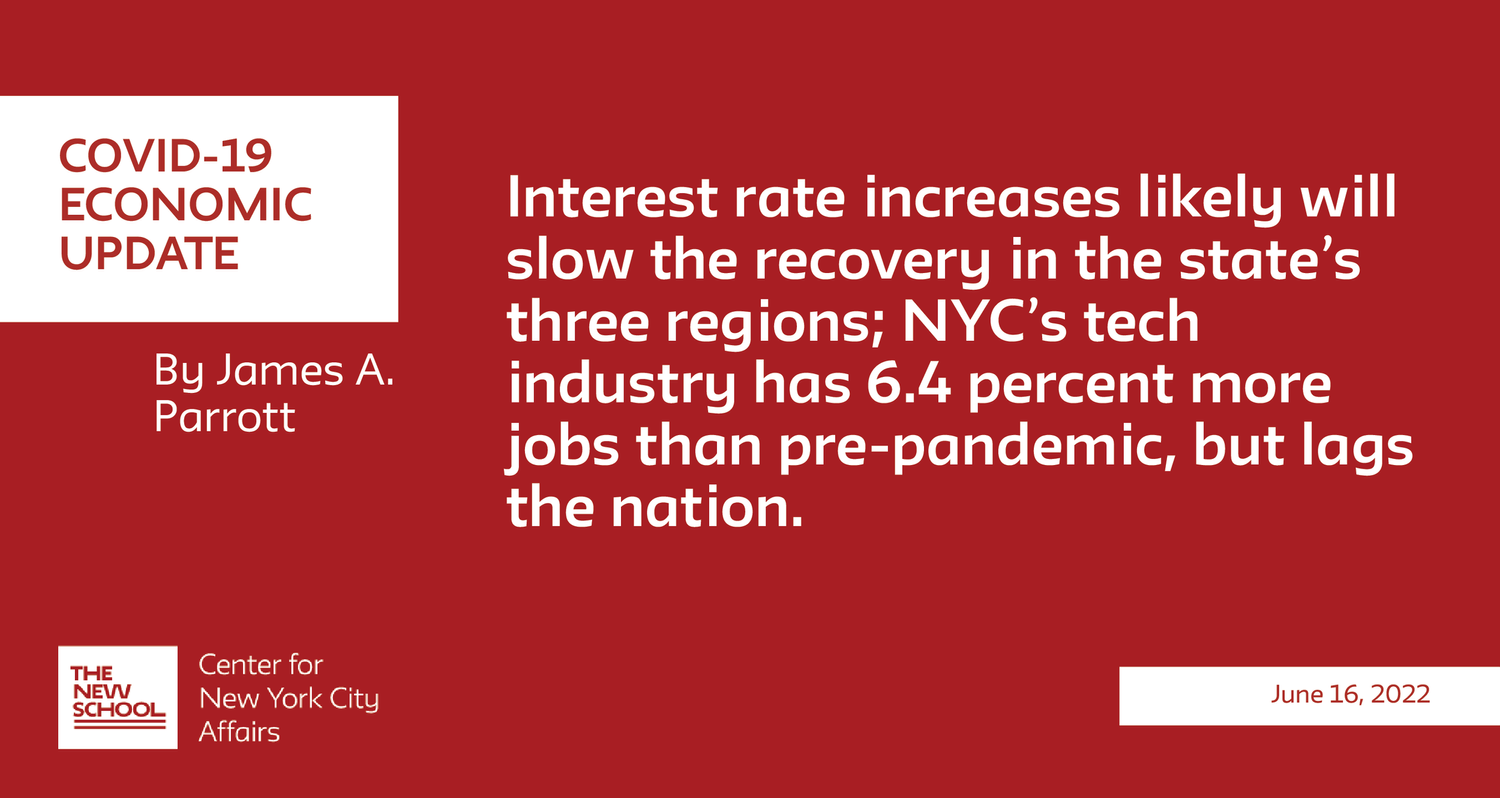
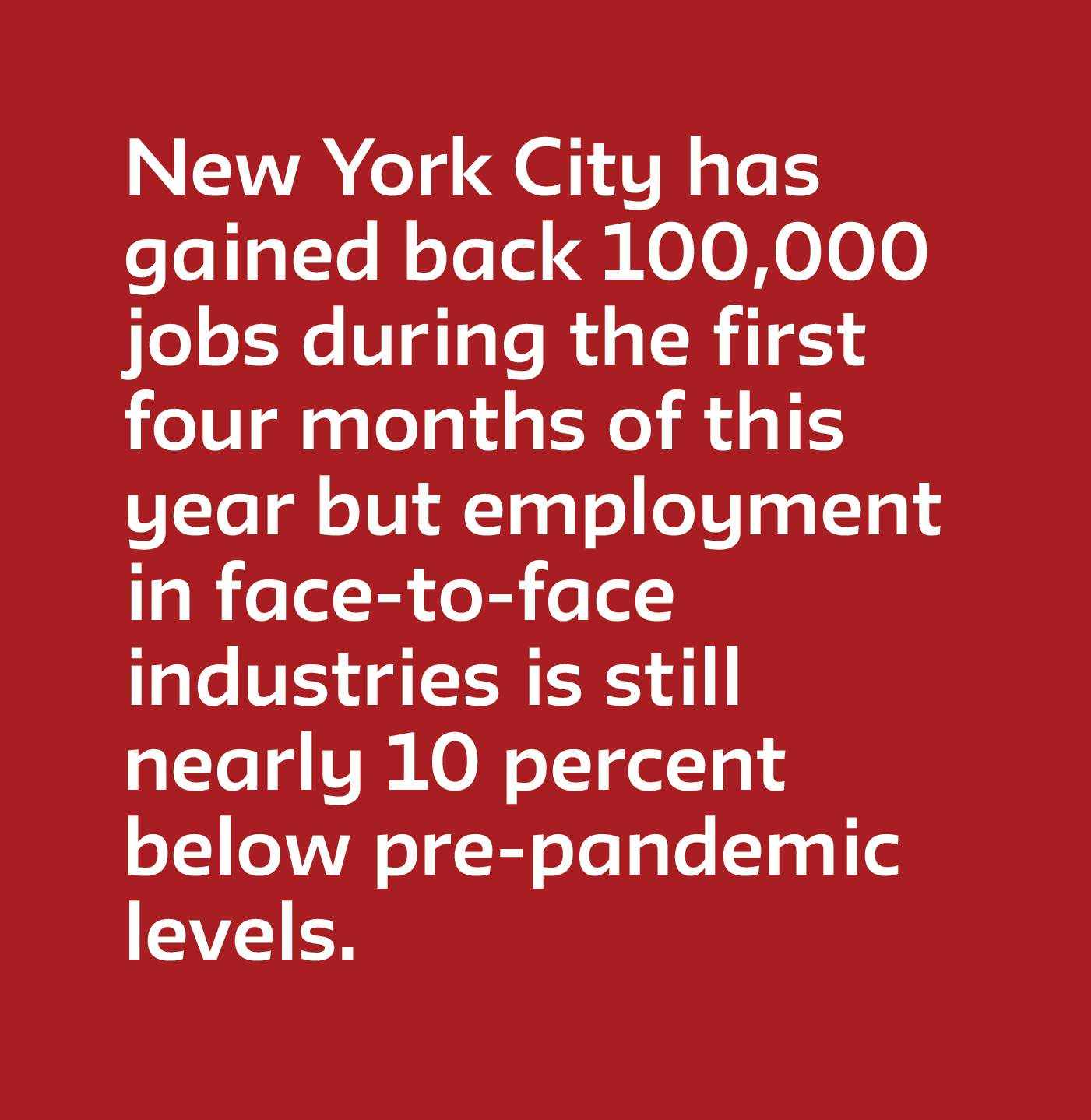
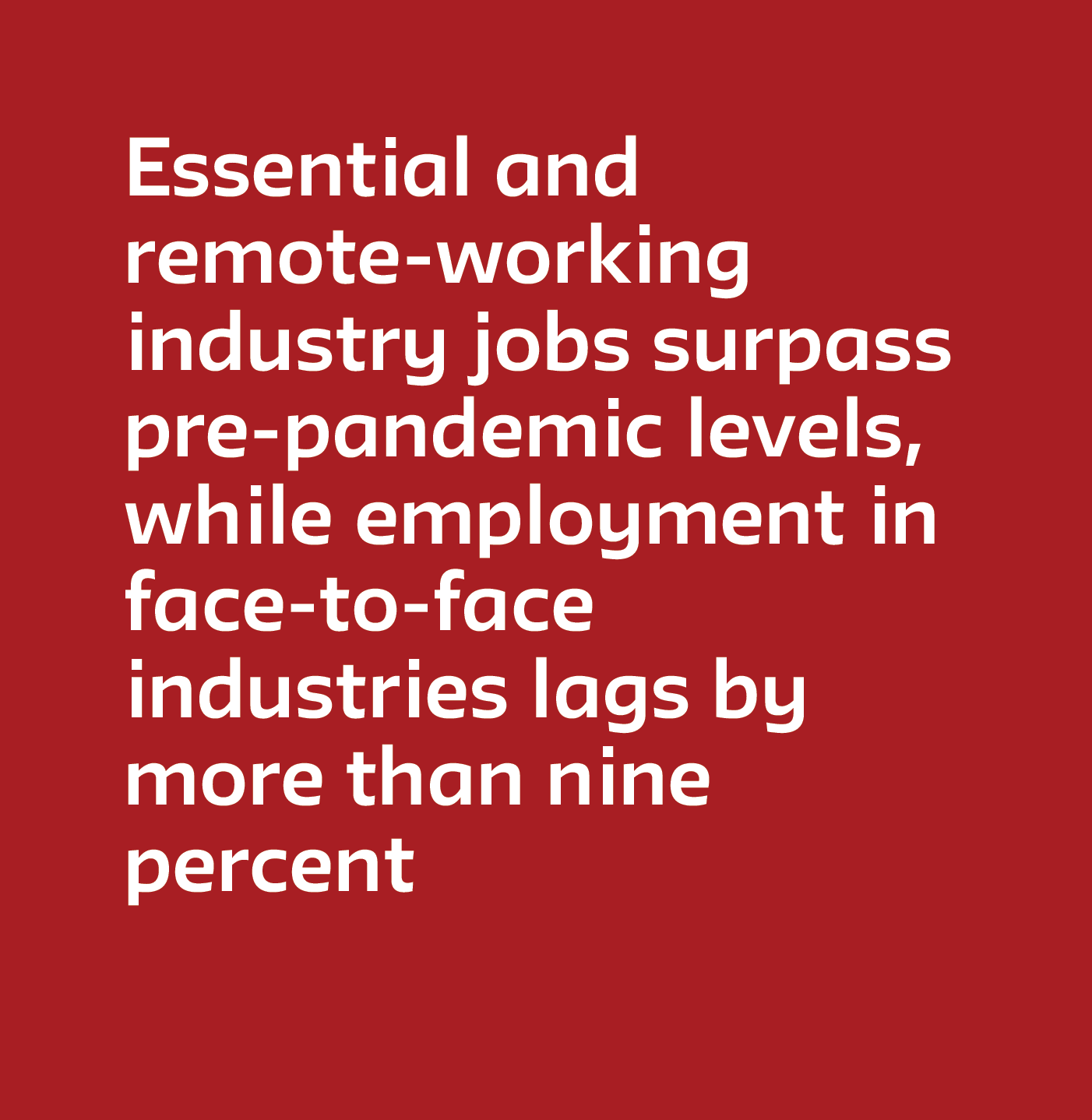
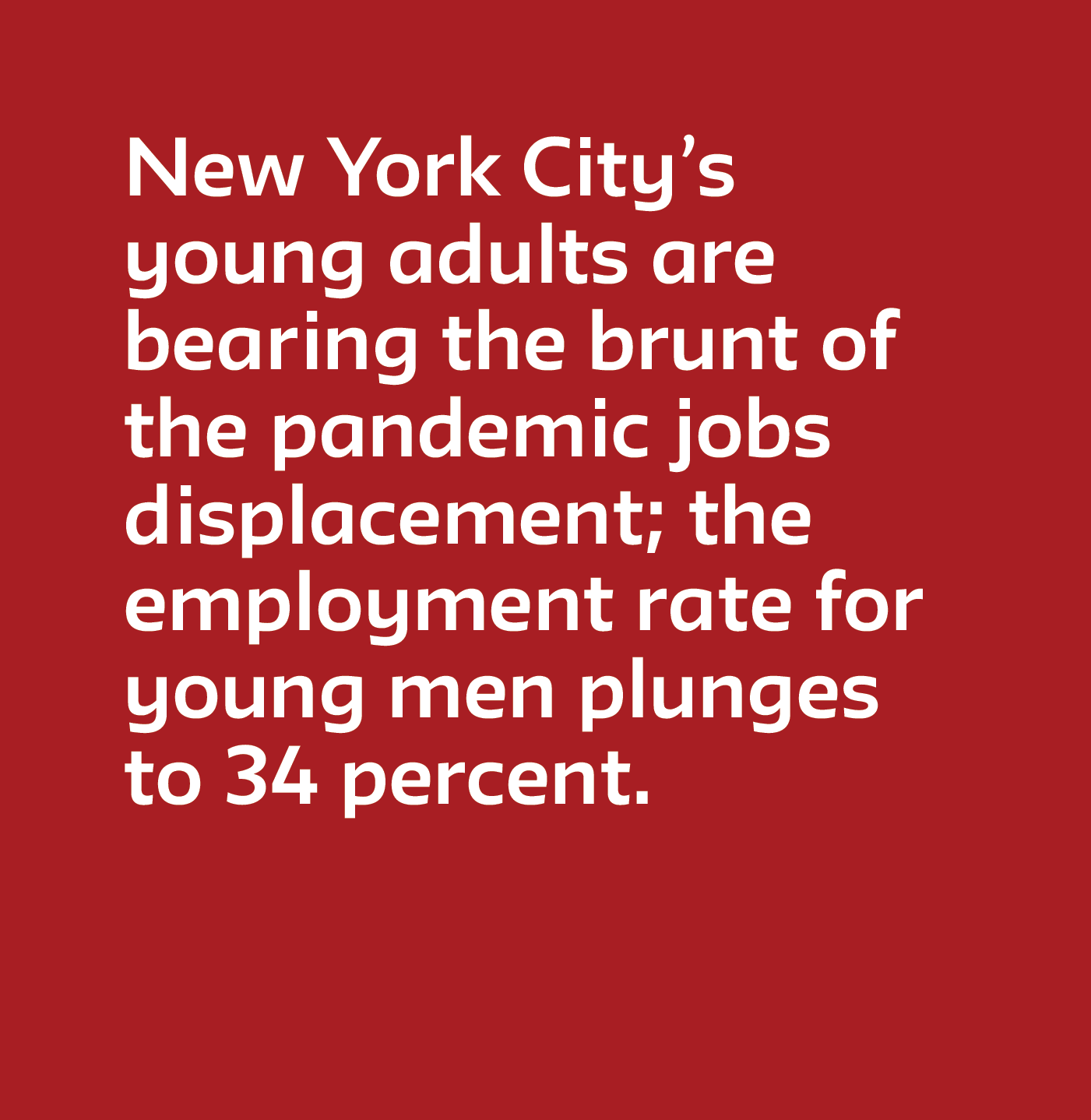
New York City’s recovery from an economy wracked by Covid-19 will hinge on how policy makers face two critical challenges: 1) returning to the full employment that prevailed in the two years before the onset of the pandemic; and 2) ensuring that wages steadily rise for workers in the bottom half of the wage distribution. Meeting these twin imperatives will help ensure that economic growth and progress will be broadly shared and that New York City can make headway to reduce our pronounced income and wealth inequality.
This report argues that to address the glaring pay and benefit disparities between nonprofit core human services workers and similar workers employed by the City, New York City should adopt a prevailing wage approach, and establish a wage and benefit schedule for all contracted human services workers to put them on an equal footing with comparable City employees.
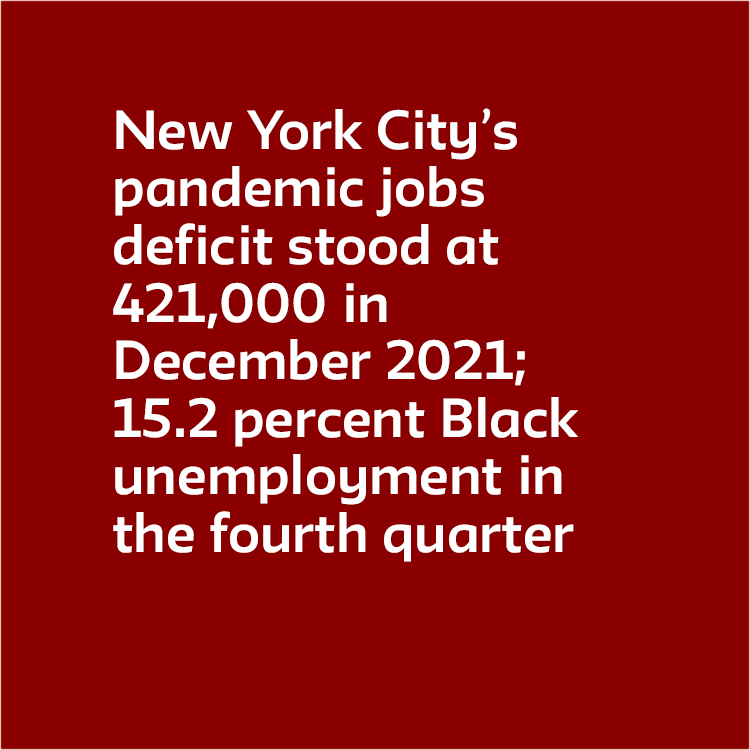
This report details how the City of New York is utilizing $20 billion in Federal Covid-19 relief funding.
This report documents several trends that have shaped the distinctive, and profoundly worrisome, Covid-19 economic and employment impact in New York. It concludes with suggestions on recommended State policy actions to support recovery and building back better.

This report traces the impact of the unprecedented health and economic crisis on front line workers in the in the workforce development field. We present new findings that showcase unique challenges, including the difficulties of placing job seekers when many entry level positions evaporated during early pandemic lockdowns while remaining opportunities sometimes carried greater health risks, and challenges meeting required recruitment, placement, and retention goals and outcomes in a more challenging labor market.
The report discusses what we call the “digital transformation” of the workforce development sector. Three broad categories of that transformation are analyzed: New Digital Tools, New Work Norms, and New Areas of Support and Training.