


Last month, a 50-year-old man riding his personal electric scooter in Washington, D.C., was killed when he collided with a woman on a rideshare scooter.
In June, a 12-year-old Massachusetts girl died after her electric scooter slammed into a school bus in a suburb of Boston. And in April, an Atlanta woman riding an electric bike was killed when she hit a curb and was thrown headfirst into a wall.
A string of high-profile deaths and injuries involving electric scooters and bikes is spurring states and cities across the country to crack down on them. As technology improves, e-scooters and e-bikes capable of motorcycle-like speeds have become cheaper and more popular. Some models — and the ability to modify them with aftermarket upgrades — are blurring the lines between bicycles, scooters, and motor vehicles.
State and local regulations, many originally written to manage the glut of low-speed rideshare scooters nearly a decade ago, haven’t kept pace, some experts say, and they’ve left city officials scrambling to do more.
The victim in the Washington, D.C., incident was Talib Shakir, who worked in the office of D.C. Mayor Muriel Bowser. Police said neither Shakir nor the woman he collided with was wearing a helmet, and that Shakir’s e-scooter could reach speeds up to 55 miles per hour. A few days later, D.C.’s Metropolitan Police launched a street safety initiative focused on educating e-bike and e-scooter riders about road safety.
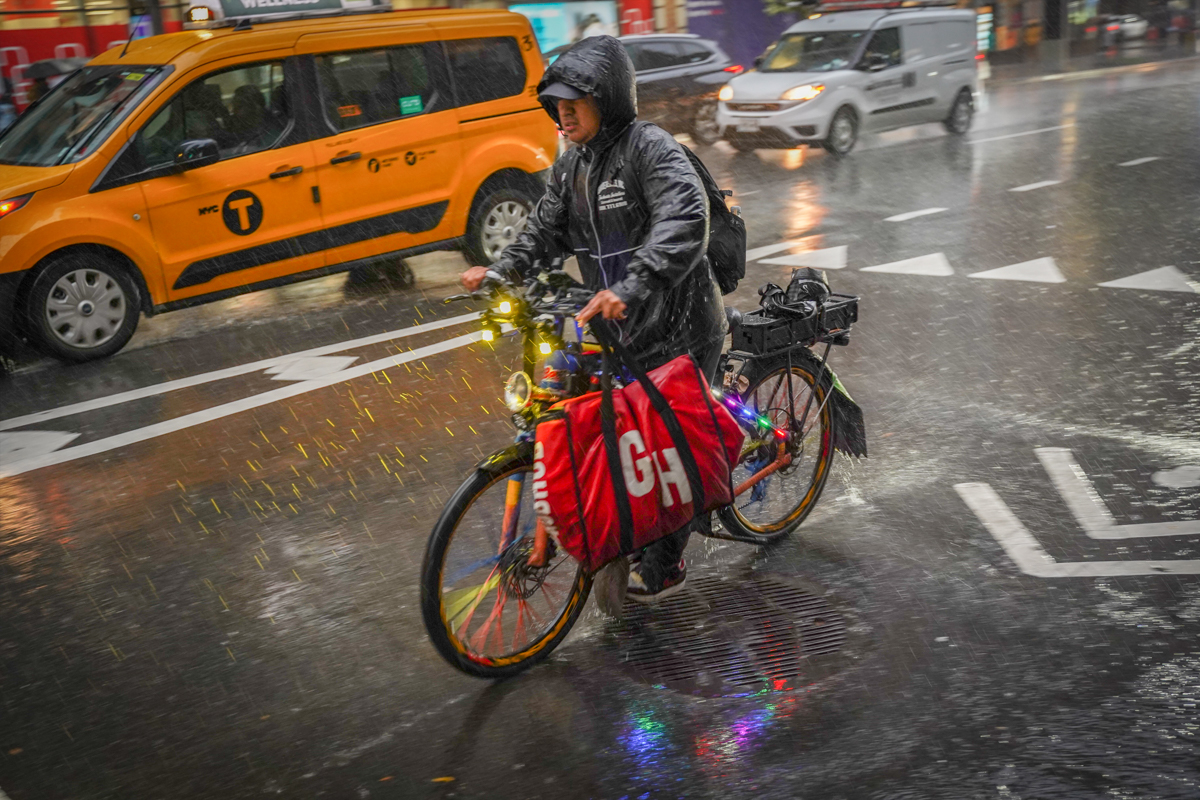
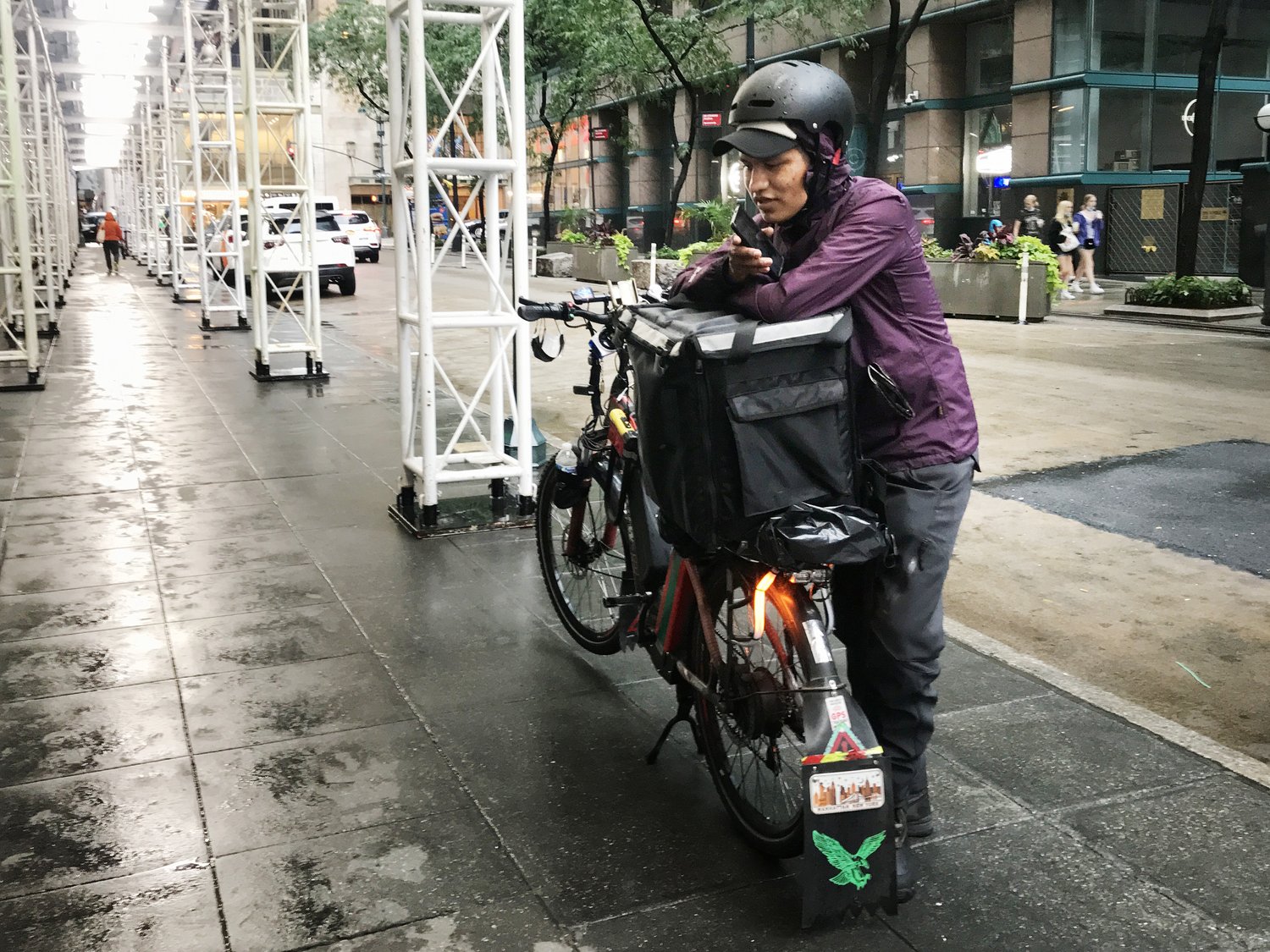
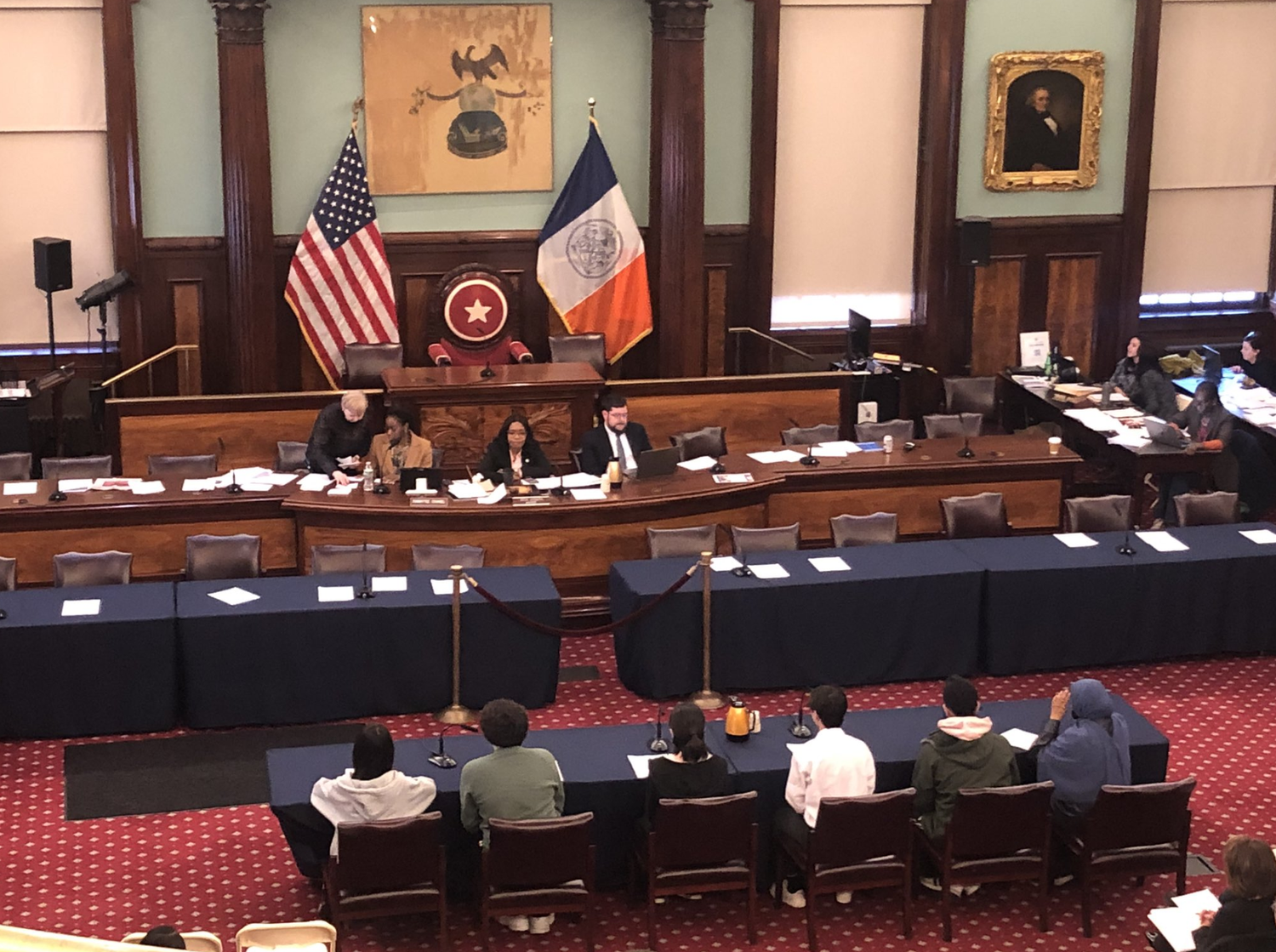
In New York City, local leaders held a hearing in August to discuss a slate of new regulations for e-bikes and e-scooters. As of September, at least 28 New Yorkers riding electric devices have died in crashes, the city’s highest-ever total by that point in the year.
A month before the Massachusetts accident, Gov. Maura Healey proposed legislation to establish safety standards and other regulations for e-scooters and e-bikes. She called existing laws around so-called micromobility devices “unclear and inconsistent,” in a May 2026 statement announcing her bill.
“We are seeing too much reckless behavior, more crashes and close calls,” she said, “and too many people, especially pedestrians and young riders, are at risk.”
After several highly publicized deaths in the Atlanta metro area, including the woman who died after she was thrown from her bike and a teen who died when his e-scooter collided with a tractor-trailer, local officials in surrounding communities have been under pressure to address safety issues.
States including Illinois, Michigan, and Pennsylvania have enacted or considered new restrictions this year. The feds have been studying the issue, too: A report released earlier this year from the U.S. Consumer Product Safety Commission found the number of fatalities from e-scooters and e-bikes has been steadily increasing.
Consumer Reports, a nonprofit that reviews consumer products, in August said it had tested 13 e-scooters and didn’t recommend any due to high speeds and an increase in injuries.
Despite the rush toward regulation, e-bike and e-scooter advocates and manufacturers say any new restrictions should distinguish between different types of devices that often get lumped under the umbrella of “e-bikes.” There’s a difference, they point out, between low-speed, motor-assisted bicycles and throttle-driven electric bikes that are essentially motorcycles. They say states and cities should enforce tiered safety laws rather than outright banning high-speed personal vehicles, as lawmakers in states including New York and some municipalities have considered.
Most new research — as well as data from individual hospitals — shows that injuries and deaths from e-scooters and e-bikes are on the rise, particularly for children. Johns Hopkins researchers found nearly half the e-scooter injuries they studied involving kids between 2020-2024 occurred in 2024.
“That was striking,” said the study’s author, Dr. Mary Beth Howard, a pediatric emergency medicine specialist at Johns Hopkins Children’s Center. “And, for us, it raises questions about safety policies keeping pace with the growth in e-scooter use.”
One of the most significant — and surprising — takeaways from new research on e-scooter injuries was that children ages 11-14 have some of the highest injury rates, Howard said. She and fellow researchers found nearly one in four e-scooter injuries in recent years happened to kids in that age group.
A few factors contribute to that overrepresentation, she said, including increasing access to e-scooters while kids’ motor skills and ability to assess danger are still developing. And, too, they aren’t legally allowed to drive so they don’t have the experience older teens have in managing traffic and speed.
“That creates the perfect storm for that 11-to-14 or early adolescent group being at incredibly high risk for injuries from e-scooters,” she said.
The Johns Hopkins researchers found that one in 10 kids were injured severely enough while riding e-scooters that they required hospitalization. “That’s important for policymakers to understand,” Howard said. “This isn’t just scraped knees.”
A new Illinois law taking effect in January will bar anyone under 15 from riding an e-bike of any type, and requires riders of high-speed devices — those that can travel more than 28 miles per hour — to have a driver’s license, registration, and insurance. It also prohibits high-speed e-bikes from sidewalks and regular bike lanes. New Jersey also recently enacted a law requiring e-bike riders to be licensed and registered.
More than two dozen states and Washington, D.C., have enacted or amended e-scooter laws with minimum age requirements, speed limits. and other restrictions, according to the National Conference of State Legislatures.
In California, Democratic Gov. Gavin Newsom signed three new e-bike laws in October that set age limits and other restrictions.
Anna Claire Vollers is a health care reporter for Stateline, part of States Newsroom, a non-profit news organization reporting from all 50 of the nation’s state capitals. A somewhat longer version of this article appeared on Oct. 21st, and is republished and updated here with their permission.
Photo by: June Marie
There’s rising nationwide health and safety concern about e-bike and e-scooter crashes. They’ve taken more than two dozen lives in New York City this year.
There's no next post
Back to Publications