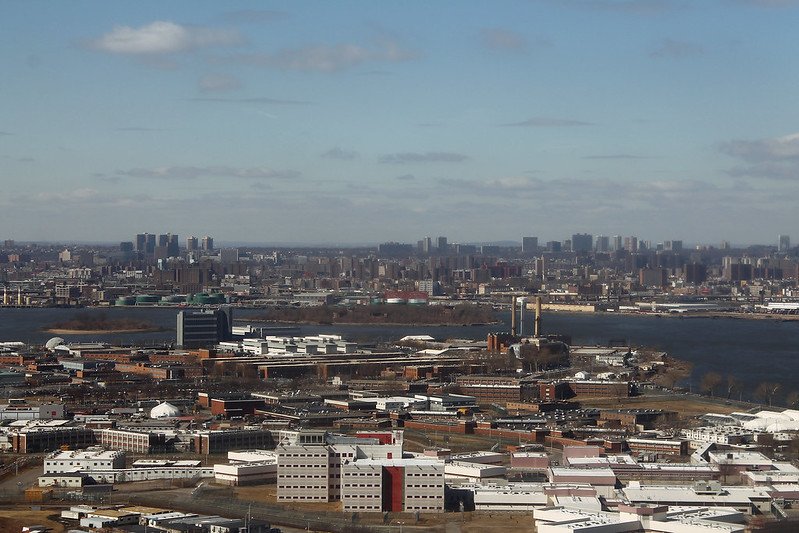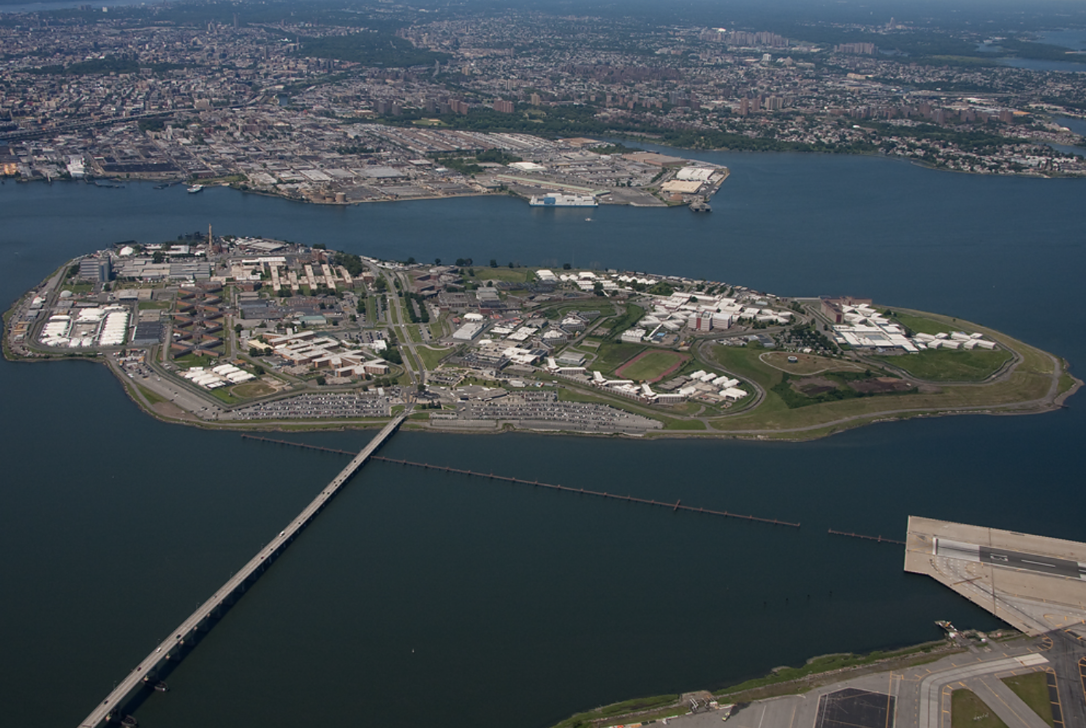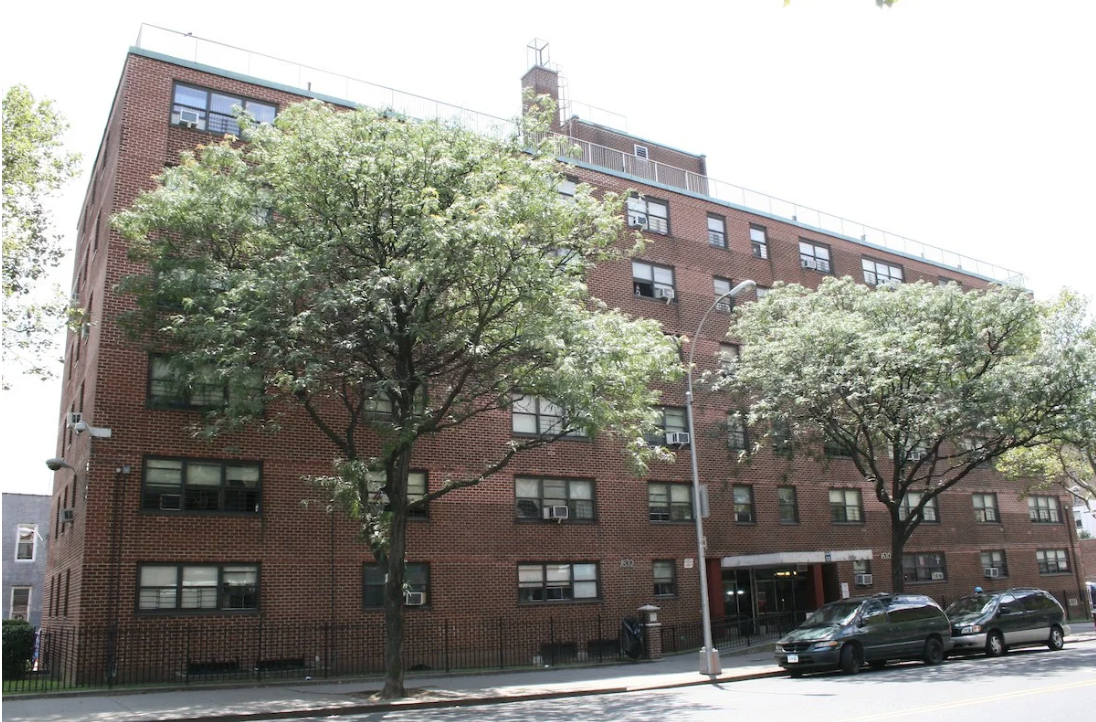



In the unforgiving environment of New York City’s notorious correction facility on Rikers Island, I spent a transformative year, from 2009 to 2010, navigating the turbulent waters of incarceration.
The relentless fear inspired by the threat of harm from the very correction officers sworn to protect us… the cramped cells, inadequate food, and minimal opportunity for fresh air… the pervasive atmosphere of humiliation and dehumanization… all profoundly shaped my understanding of the urgent need for compassion and reform within a flawed system.
So after I was acquitted and released from Rikers, I returned, first as a volunteer with the Fortune Society, which for nearly 60 years has been a beacon of humanity and advocate for reform in New York’s correction facilities, and later as part of the Fortune Society staff.
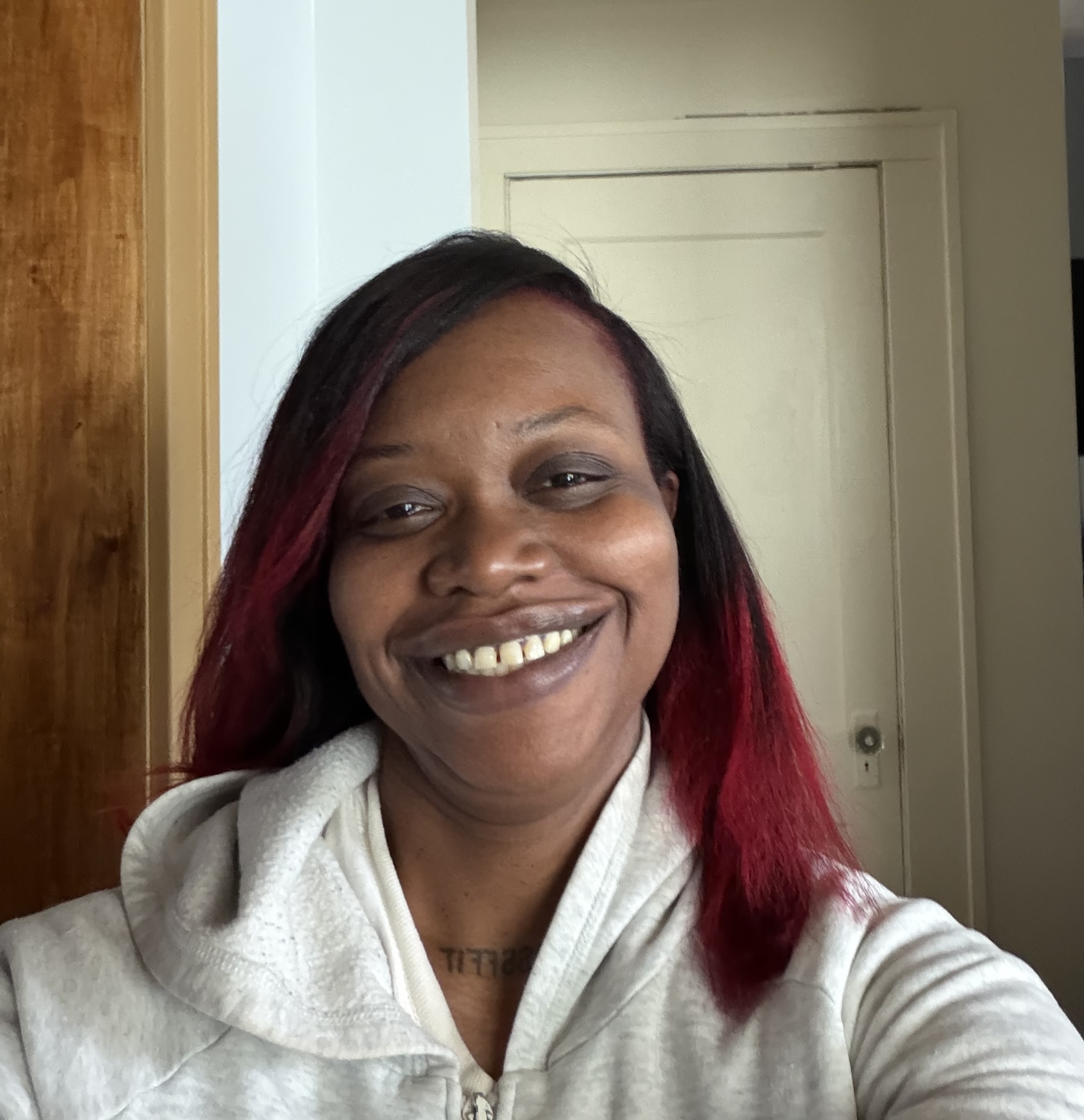
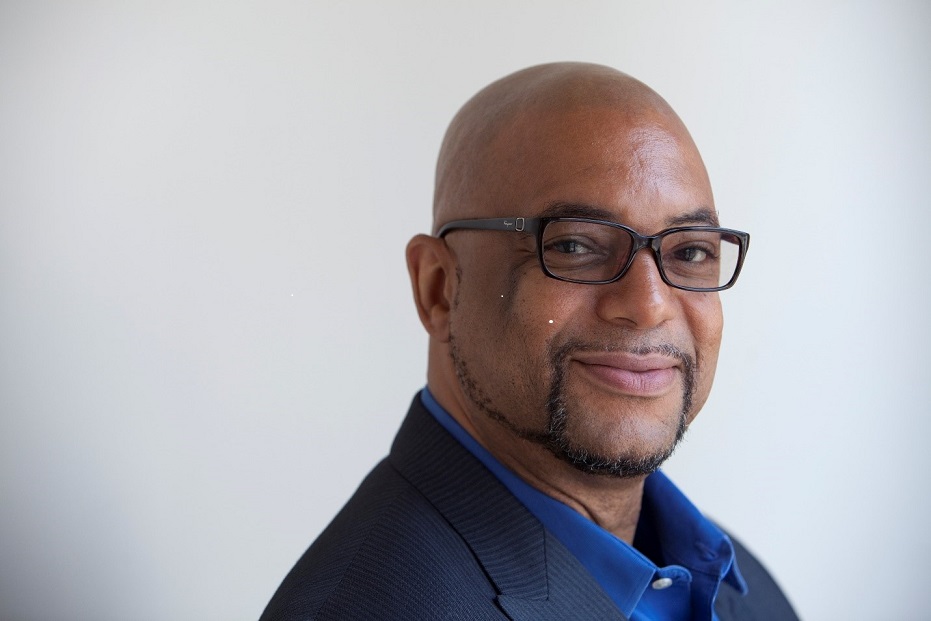
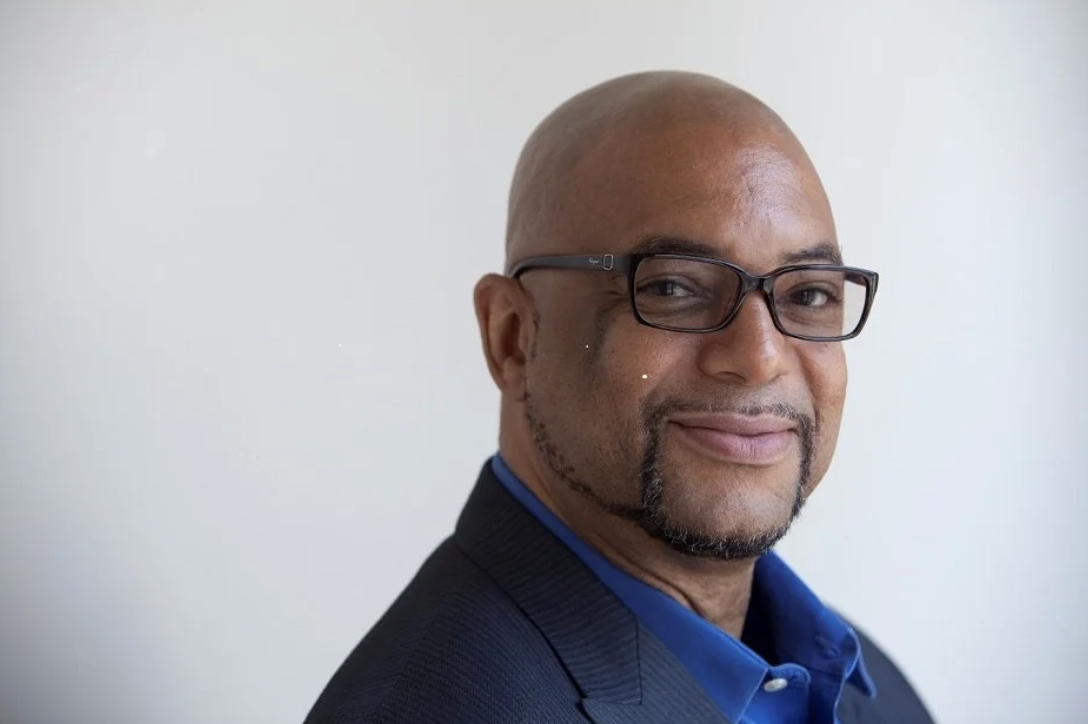
Working with the Fortune Society opened my eyes to the transformative power of compassion. It also introduced me to Stanley Richards (pictured above), who, beginning as a Fortune Society reentry counselor, over the years rose through the organization’s ranks to eventually become its president and CEO.
Last month, he also made history when Mayor Zohran Mamdani appointed him the first commissioner of the City Department of Correction (DOC) to have earlier in his life been incarcerated at Rikers.
To those of us who worked with him at the Fortune Society, Stanley often expressed his philosophy in these words: "Take a leap of faith and build your wings on your way down." That perfectly encapsulates his approach to life and advocacy. It embodies his belief that one must embrace risks to create meaningful change.
For me, those words have become a mantra, guiding me throughout my journey, at the Fortune Society, and since.
It hasn’t always been a smooth trip. At Rikers, the Fortune Society team I was part of worked to build support systems for inmates, reinforcing among them the idea that guidance and compassion could help with rebuilding their lives. Unfortunately, we also encountered indifference, disruption, and hostility from DOC staff members. Officers walked through the middle of our program circles, interrupting us with loud noises, and also failed to bring registered participants to our programs. My Fortune Society colleagues also encountered mistreatment and penalties from DOC officers, adding another layer of difficulty to our mission.
But we were fortunate to have Stanley leading and supporting us. He was an unwavering advocate for inmates, his staff, and for improving conditions at Rikers. He inspired hope, strengthened our will to persevere, and galvanized our collective efforts to foster humanity within the system.
Working alongside him reinforced my conviction that change is attainable when we approach our work with empathy and unwavering determination. It has strengthened my resolve to be a voice for those who feel voiceless and marginalized.
Stanley’s vision of dismantling harmful systems has been consistent. In a wide variety of settings, I have been inspired by his relentless pursuit of justice and equity. Over the years, I’ve been privileged to witness that, both on Rikers Island and in the offices of nonprofit funders like the Pinkerton Foundation and at policy roundtables hosted by the Atlas Innovation Fund.
He has also remained true to that vision in positions of authority and responsibility: as a member of the New York City Board of Correction; as a deputy commissioner of the Correction Department under then-Commissioner Vincent Schiraldi during Mayor Bill de Blasio’s administration; and as a member of the Lippman Commission, whose recommendation that Rikers Island be closed has been official City policy since 2019.
I have seen Stanley jump into action like a superhero, illuminating issues that many overlook as “normal” behaviors or actions by the DOC. He has a unique ability to pause, set aside his own tasks, and engage with others, ensuring they are on the right track. His commitment to advocacy is evident in his efforts to position individuals in roles where others may doubt their potential. Stanley is a true believer in second chances, fostering the notion of building wings and championing transformative change.
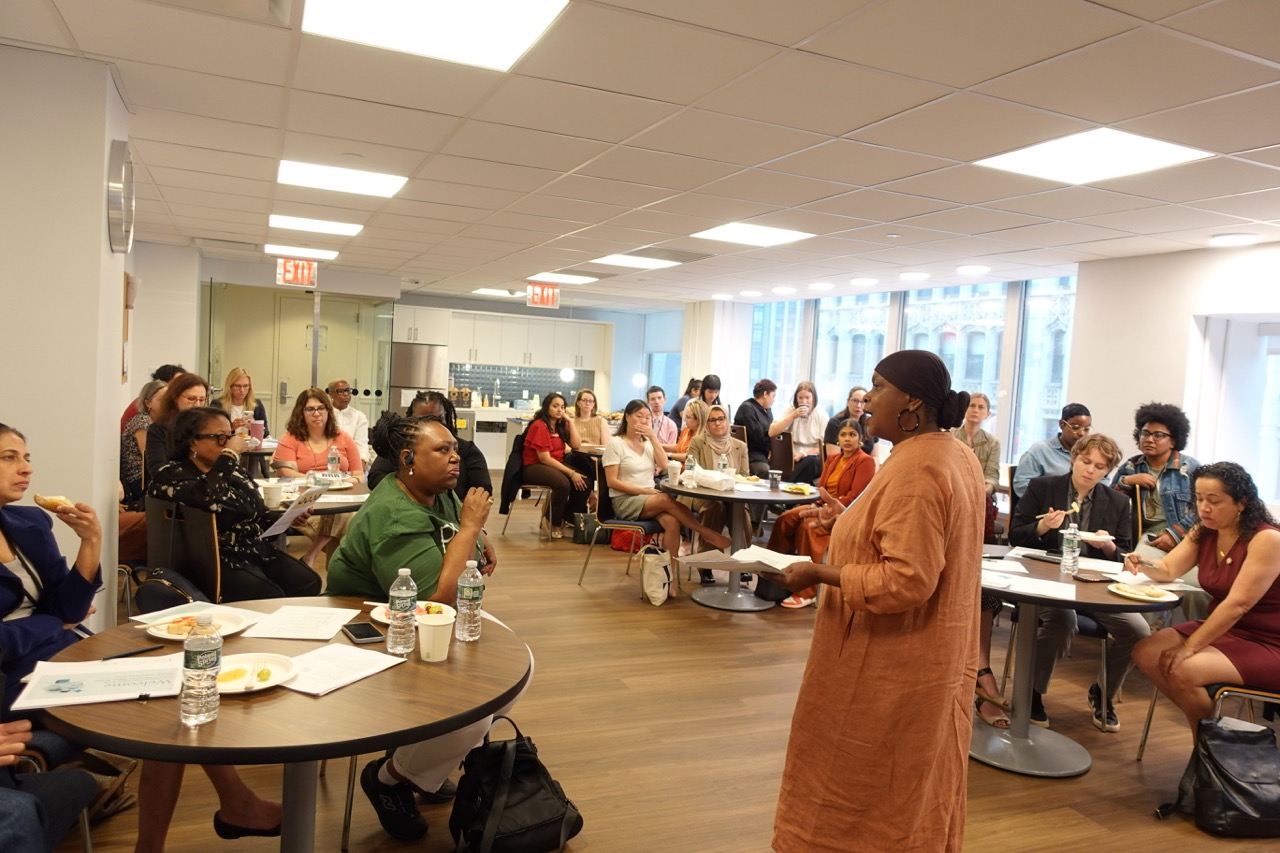
Working alongside Stanley profoundly shaped my perspective and approach to advocacy. The lessons I learned at Rikers and in the Fortune Society continue to inform my work today, providing professional development training through the Institute for Transformative Mentoring to formerly incarcerated and system-impacted "credible messenger" leaders in community-based organizations around the city.
Central to that: A commitment to creating a more equitable and compassionate society, linked to the belief that every individual, regardless of their past, deserves dignity and a genuine opportunity for redemption.
William M. Evans is the director of the Institute for Transformative Mentoring, a project of the Center for New York City Affairs at The New School.
Photo by: nyc.gov
There's no previous post
Back to PublicationsThere's no next post
Back to Publications