They’re Just Our Type: New Books From the New School Community
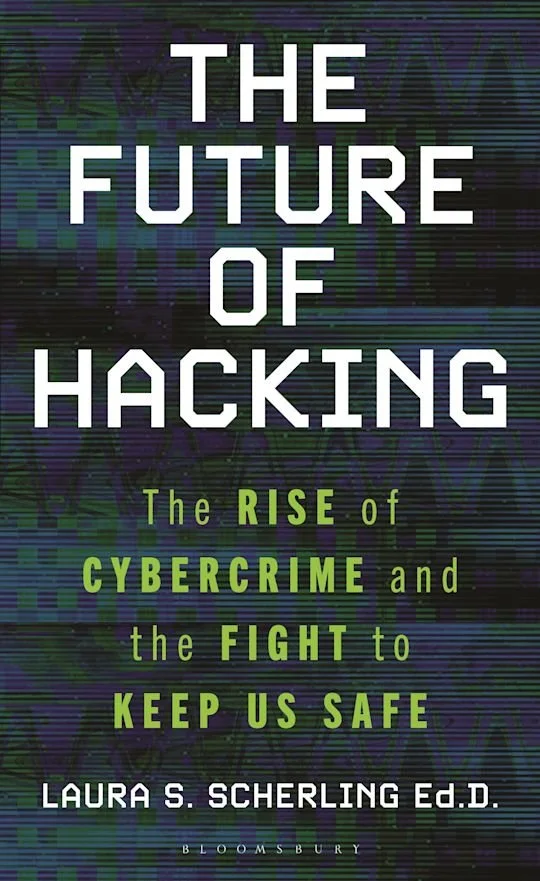
The Future of Hacking, by Dr. Laura S, Scherling (Master of Arts, School of Media Studies, 2014), Bloomsbury.
Drawing on years of research and on in-depth interviews with cybersecurity professionals from Paris to Bengaluru, Scherling, a lecturer at Columbia University’s School of International and Public Affairs, delves into the world of data breaches, ransomware attacks, and identity thefts. The result is a book that can be read profitably by the tech-savvy and also by newcomers to the subject.
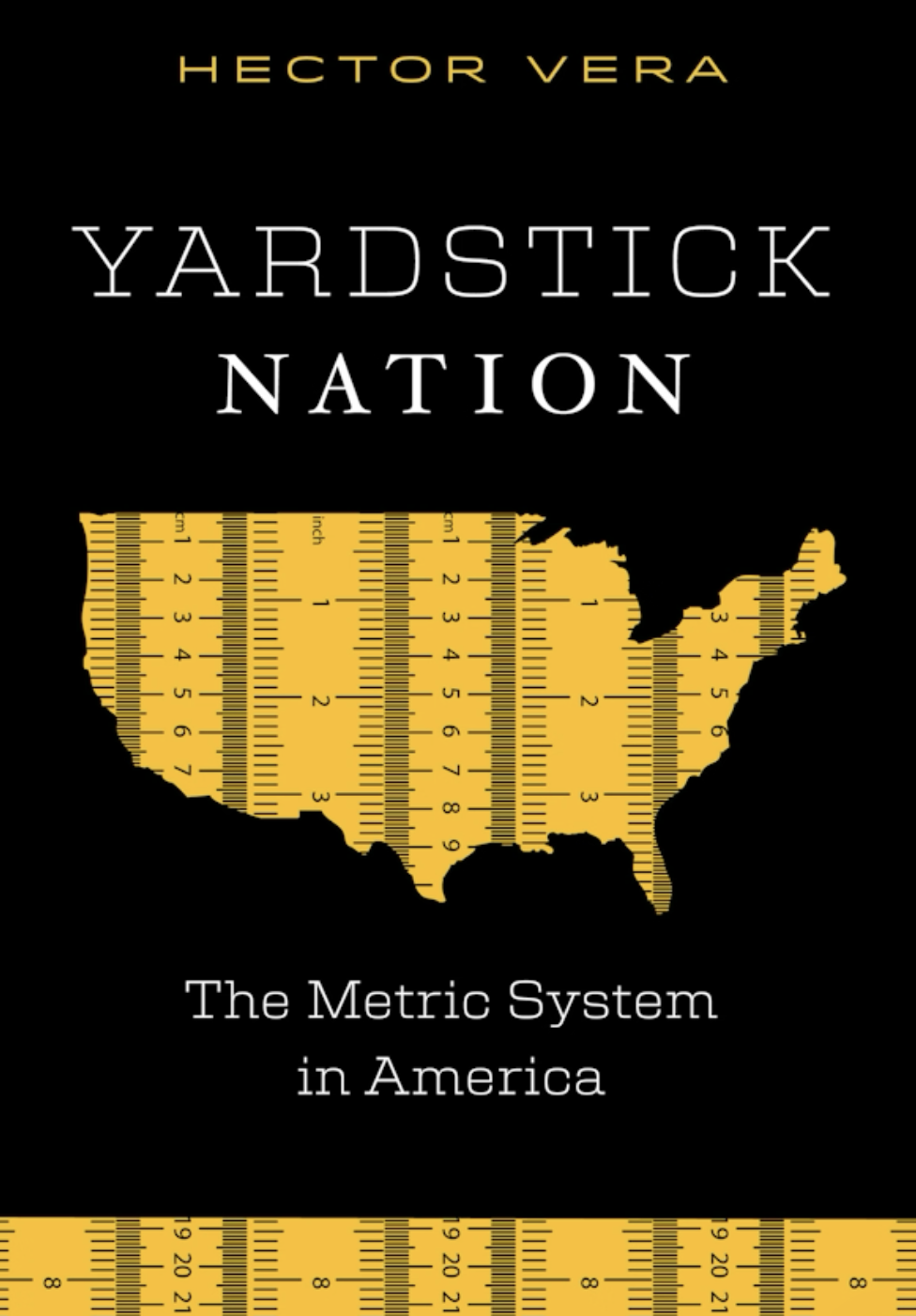
Yardstick Nation: The Metric System in America, by Dr. Hector Vera (Ph.D., Sociology and Historical Studies, New School for Social Research, 2012), Vanderbilt University Press.
Why do American football teams play to gain yards? Why do we buy gasoline by the gallon? Why – virtually alone among the world’s nations – has the U.S. resisted accepting the metric system of measurement? Vera, a sociologist at the prestigious National Autonomous University of Mexico, explores these questions in what one reviewer calls a “superb socio-historical analysis.”
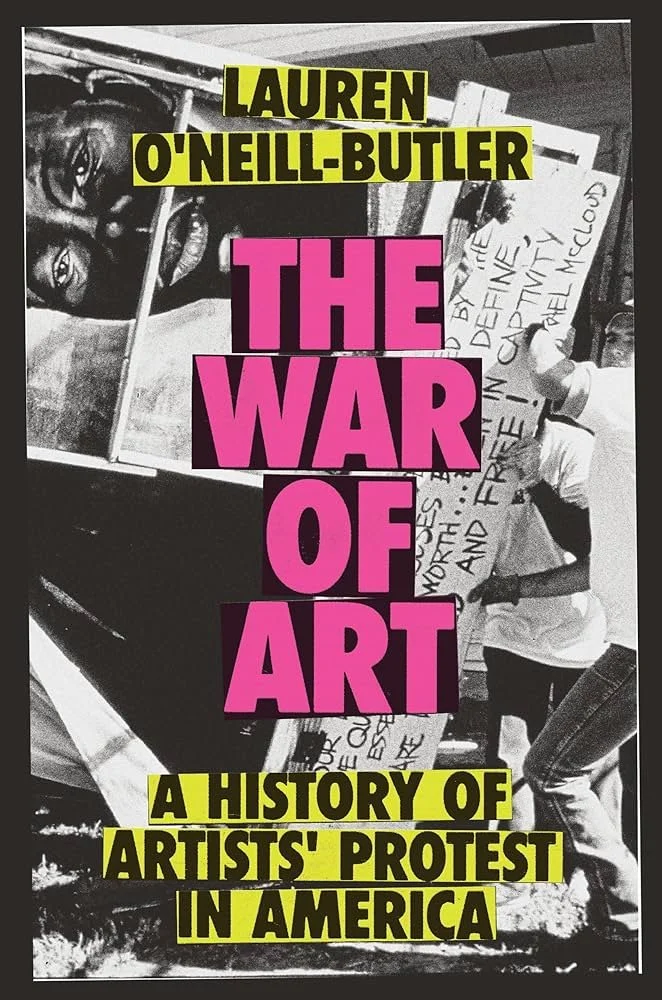
The War of Art: A History of Artists’ Protests in America, by Lauren O’Neill-Butler (Part-time instructor, Writing and Criticism, The New School), Verso.
Named one of the best books of 2025 by NPR. In 10 case studies spanning 50 years of activism, O’Neill-Burton, formerly a senior editor at Artforum, describes the wide variety of ways – from restoring low-income housing in Houston to bringing art classes to New York’s notorious and thankfully long-since closed Tombs lockup – artists have engaged in struggles for social justice.
New Animal, by Eleanor Keisman (B.A. Liberal Arts, The New School, 2011), Broken Tribe Press.
It’s 2081, and as wildfires consume what’s now called the Yellowstone National Territory, an escaping orphaned wolf is captured by dog breeders. He joins in a common struggle for survival with one of them and his wolfdog companion. But what happens when, separated from them, he encounters a real wolf pack, and realizes just how much he has been changed? Described as a “wonderful debut” work by novelist Ted Flanagan.
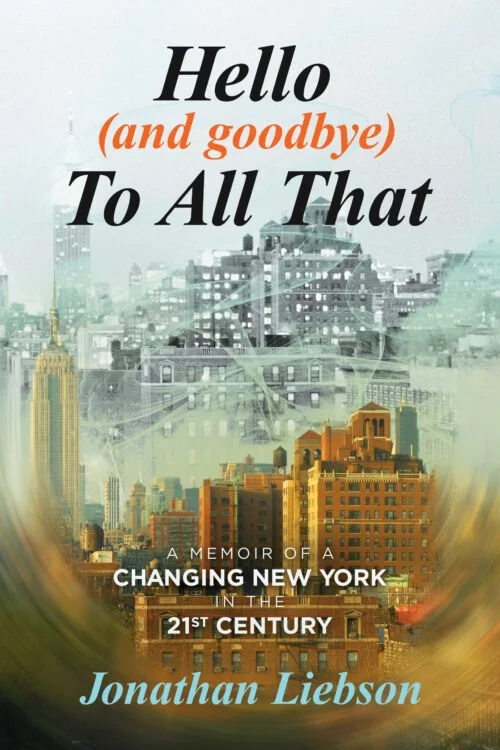
Hello (And Goodbye) to All That: A Memoir of a Changing New York in the 21st Century by Jonathan Liebson (Part-time assistant professor, Writing, New School for Social Research), PostHill Press.
Raised on tales of his grandfather’s La Guardia-era New York, the author arrives from suburban Chicago to live the everyday, extraordinary, and ever-changing life of the city today. Taking on subjects from the joys and hazards of cycling Gotham’s streets to experiencing the historic, heart-wrenching traumas of 9/11, Hurricane Sandy, and Covid-19, Liebson finds what one reviewer calls “moments of grace in unexpected places.”
And don’t overlook these previously highlighted titles.
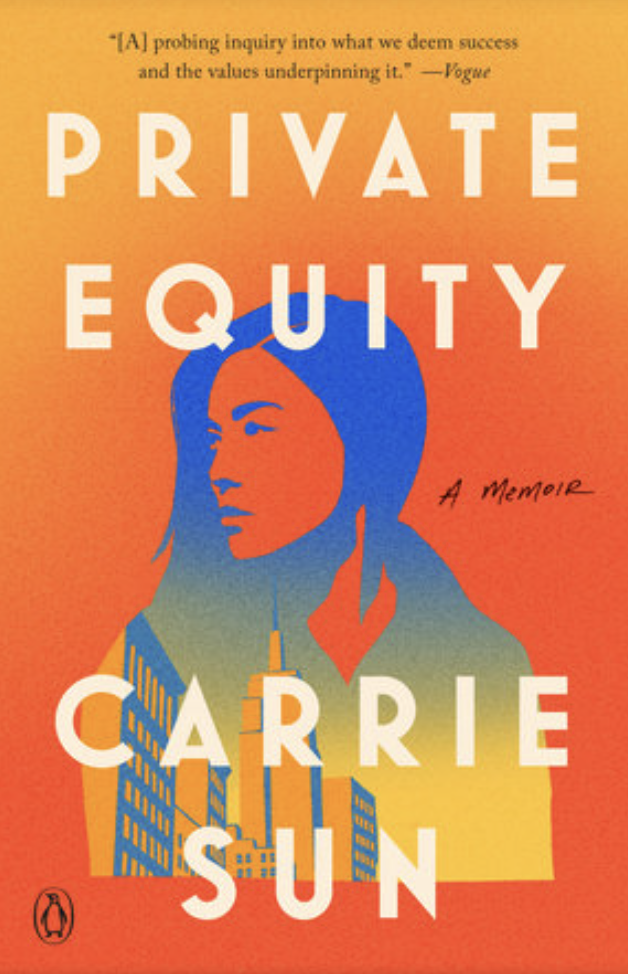
Private Equity, by Carrie Sun (MFA in Creative Writing, 2020), PenguinRandomHouse.
In search of a job that would finance her creative writing studies, the author takes employment as a personal assistant to a hedge fund founder. Now, welcome to a Succession-like world of extreme wealth and privilege, recounted in her debut book. “The joys of Sun’s memoir,” writes a reviewer for Time, “lie in the absurdity of her tasks: coaxing a famous athlete to a company party, sourcing Mitt Romney’s phone number on a deadline, coordinating private-jet departures. . . . It’s [Sun’s] personal revelations that elevate the book above a typical tell-all.”
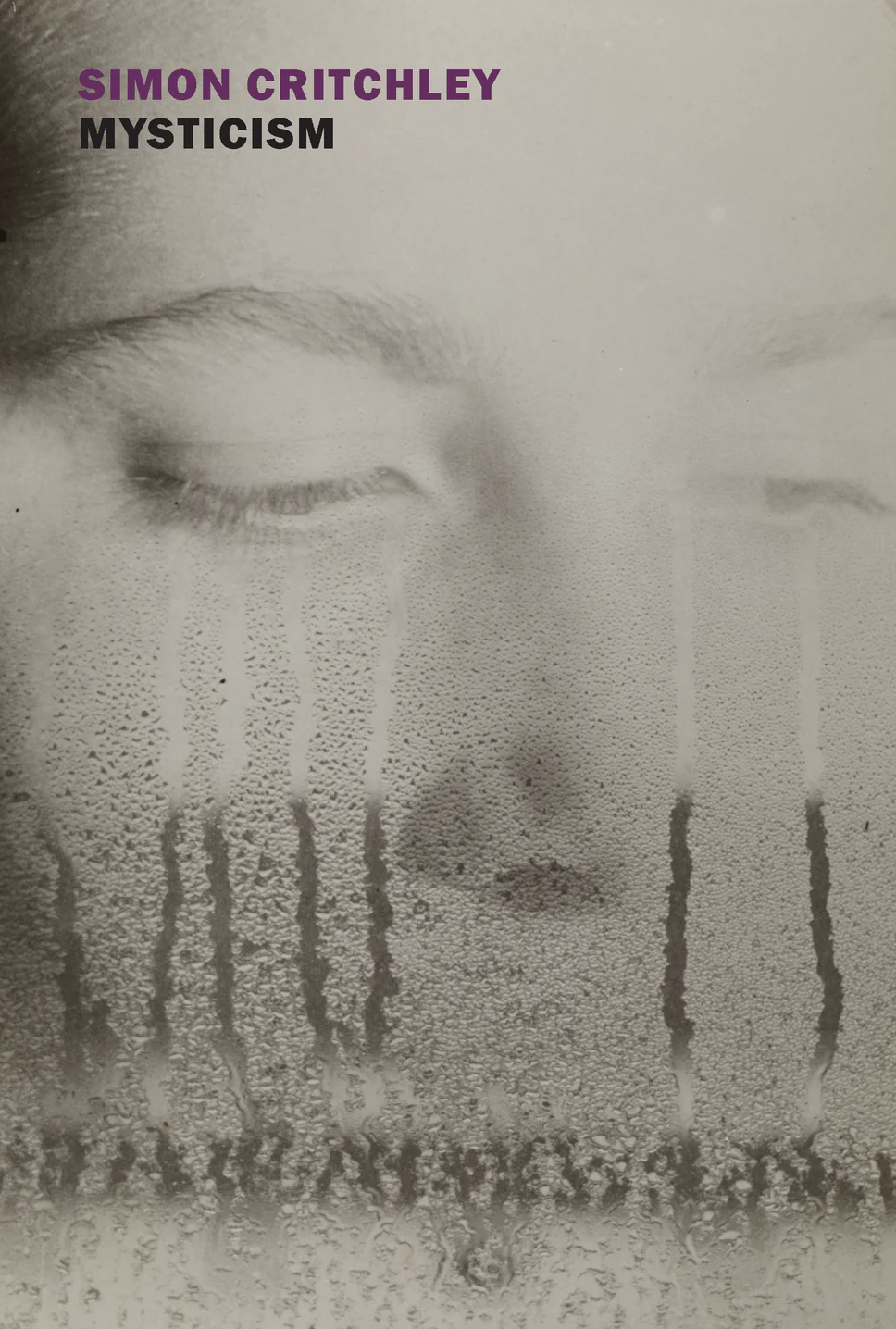
Mysticism, by Simon Critchley (Hans Jonas Professor of Philosophy, New School for Social Research), New York Review of Books.
His previous disquisitions have covered subjects from the inner world of soccer fandom to the artistry of David Bowie to the meaning of being bald. Now Critchley turns his sharp analysis and lucid writing to the experience of spiritual transcendence. As a review in The Economist notes, he treats the subject with rigor and rationality, combined with a playfulness that produces sentences like: “God might be ineffable, but the mystics are constantly effing the ineffable, for as long as it effing takes.
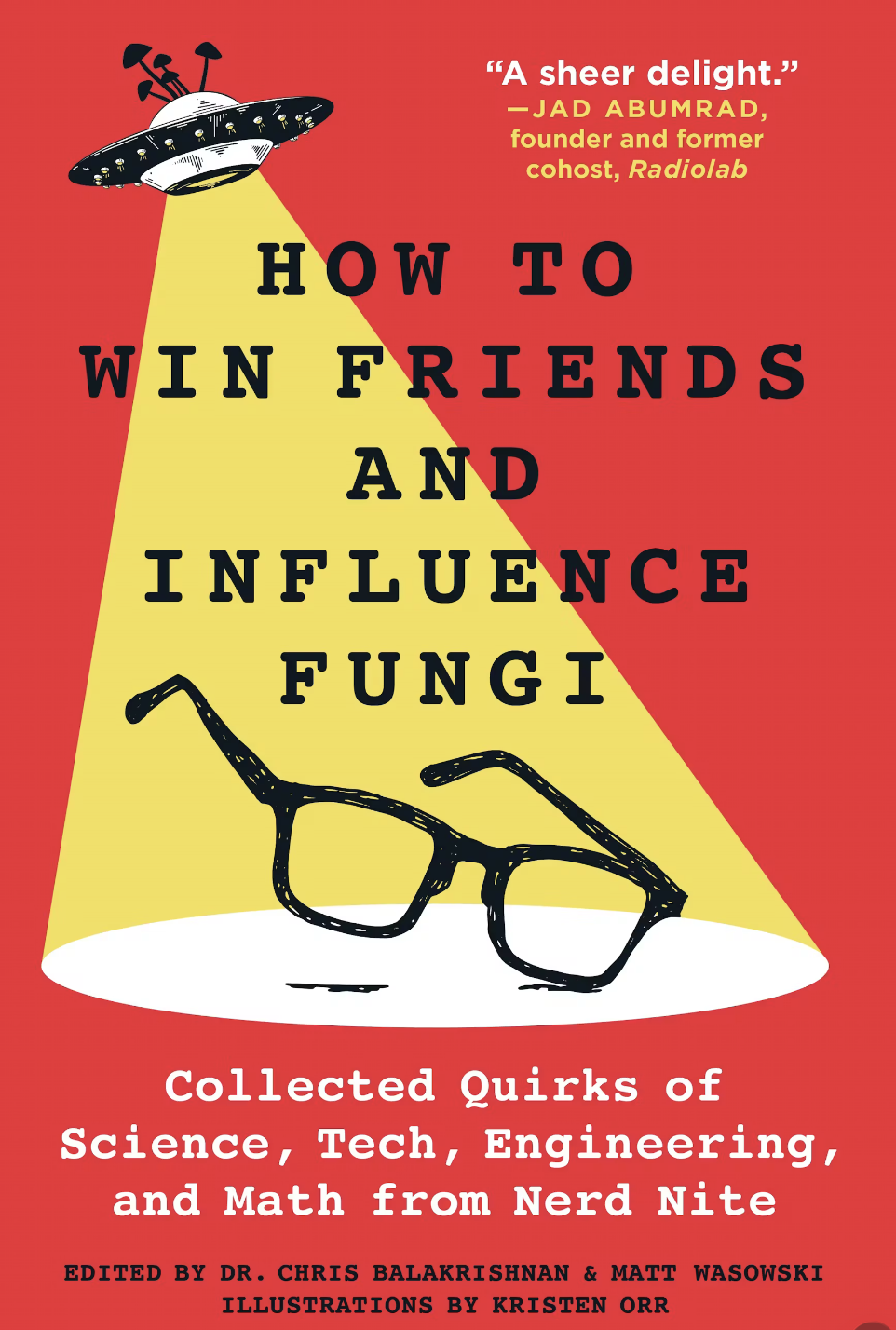
How to Win Friends and Influence Fungi: Collected Quirks of Science, Tech, Engineering, and Math from Nerd Nite, edited by Chris Balakrishnan and Matt Wasowski (MFA in Creative Writing, 2006), St. Martin’s Press.
Geeky takes on subjects ranging from Kuwaiti camel spiders to recycling astronaut solid waste for outer space fuel: Welcome to a distillation of the lively monthly drink-and-think gatherings held across the globe known as Nerd Nite. Its co-founders have now pulled together narratives, infographics, and laugh-out-loud musings from scientists and the writers who love them in a book sure to delight STEM enthusiasts. Next up: “What Birds Can Teach Us about the Impending Zombie Apocalypse.”
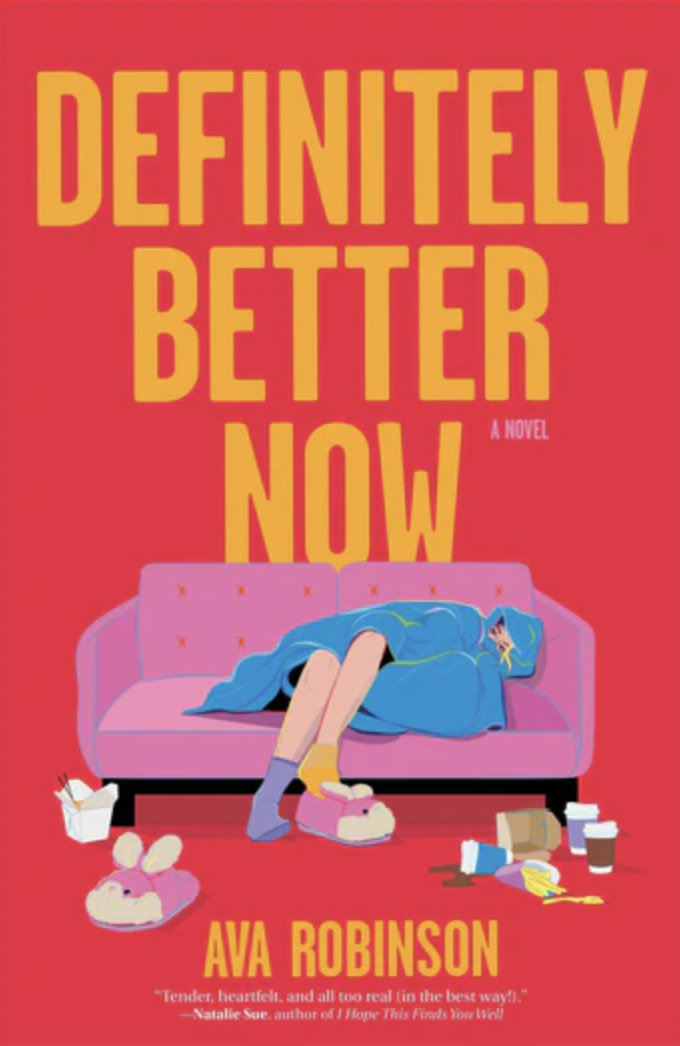
Definitely Better Now, by Ava Robinson (MFA in Creative Writing, 2022), Harper Collins.
After completing 52 weeks of sobriety, on a tight, disciplined circuit of work, home, and AA meetings, 26-year-old Emma’s sponsor gives her the go-ahead to start fresh and think about romance again. But before she’s truly ready to take the plunge, well-intentioned friends create a profile of her and put it on a dating website. What follows is an acutely observed comic novel that Shelf-Awareness calls” a not-to-be-missed debut that encourages anyone, sober or not, to embrace the messy imperfections of a life worth living.”
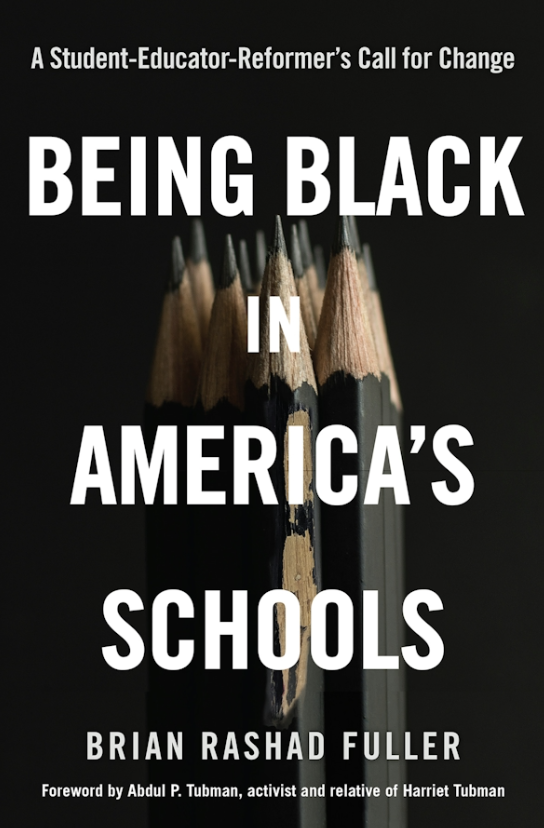
Being Black in America’s Schools by Brian Rashad Fuller (New School Associate Provost for Student Success Strategies), Kensington Books.
A former top policymaker for NYC Schools (until recently known as the City Department of Education), the author calls for a re-imagining of education that addresses historic and ongoing inequities in areas ranging from school discipline to standardized testing. Fuller’s “vantage point is as uncommon as it is valuable,” writes Jelani Cobb, dean of Columbia University’s School of Journalism. “This is a book we need yesterday.”
Bruce Cory is editorial advisor at the Center for New York City Affairs at The New School.