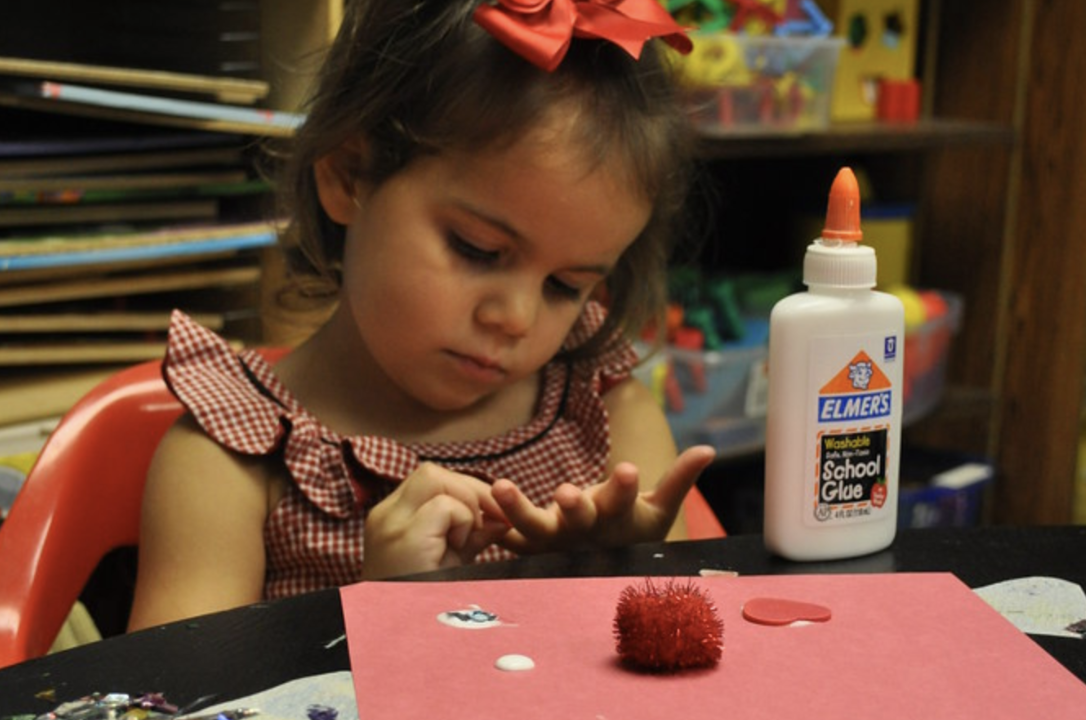



Mayor Zohran Mamdani and Governor Kathy Hochul made a commitment to universal child care this year and took initial steps toward this bold objective in the State and City FY2027 budgets. That included piloting new contracted care services, like 2-K in New York City and 0-2 care in three upstate counties; a commitment to universal Pre-K statewide by 2028; and the establishment of a new State Office of Child Care and Early Education.
Nevertheless, questions remain about how much a universal, high-quality, stable system will cost, and who will pay for it.
To that end, the Economic and Fiscal Policy Team at the Center for New York City Affairs developed a universal child care cost model, a dynamic tool that incorporates the latest grounded assumptions and relevant costs for child care programs.
Incorporating population by age, regulated staffing ratios by age, and operating cost and workforce data, CNYCA’s model provides cost estimates for a fully implemented universal child care system and can also generate estimates for steps toward that vision by the age of the child, region, and program or seat. Policymakers can use the model estimates to set contract and voucher rates today and plan for what new revenue will be needed for a year-by-year phase-in towards full implementation.
This report highlights model results that feel most useful in the current moment, when the City is exploring how to improve contract rates and the City and State are developing longer-term plans for a fully universal system. CNYCA plans to release a public online version for policymakers and advocates to use directly. In the meantime, CNYCA can generate estimates for different scenarios by request.
We hosted a webinar presentation of the cost model and our findings on Thursday, August 20th, 2026. If you’d like a recording of the webinar, please reach out through the contact link above.
The report and cost model was generously funded by the Robin Hood Foundation
Lauren Melodia and David A. Lee
There's no previous post
Back to PublicationsThere's no next post
Back to Publications