


Urban Matters: Alex, you recently stepped down from the New York City Rent Guidelines Board (RGB), after serving on it for six years. What advice do you have for the board’s new members, who, as you did, will be voting on the parameters for rents in about a million apartments?
Alex Schwartz: That’s a big question. At the outset, I’d advise new members to look closely at the reports produced by RGB staff and listen closely to the testimony given at RGB meetings before arriving at a decision about rent changes. Rent-stabilized housing is incredibly diverse – in terms of the types and age of the housing, the degree to which buildings are rent-stabilized, the nature of building ownership, and the incomes of the residents.
About one-quarter of all rent-stabilized housing receives subsidies and or/tax exemptions from the City to promote affordability. Deciding on annual rent adjustments requires board members to pay close attention to the nuances of the data.
UM: For years, you’ve argued for substantially increasing City rental subsidies for low-income families. You made that case again in a Daily News op-ed last November – just as you were about to leave the RGB. In a nutshell, why do you prefer that approach to the freeze on regulated rents that Mayor Zohran Mamdani campaigned on last year?
Schwartz: Over the past 20 years the federal government has barely increased the number of low-income households receiving rental assistance, whether through vouchers, public housing, or project-based rental subsidies. As a result, only about one-quarter of all eligible households receive assistance, leaving the rest spending more than 30 percent – and often more than half – of their incomes on rent.
New York is one of few cities to provide rental assistance from its own resources. Indeed, the CityFHEPS [Fighting Homelessness and Eviction Prevention Supplement] program, which was budgeted at $1.25 billion in Fiscal Year 2025, has made the Department of Social Services the second-largest municipal housing agency in the country, second only to NYCHA [the New York City Housing Authority, which manages almost 178,000 public housing apartments and more than 84,000 rental vouchers]. Yet, more than 43 percent of all New York City renters are cost-burdened, including 86 percent of those earning less than $50,000.
In my opinion, it’s impossible to achieve affordability without rental subsidies. Rent freezes would prevent housing cost burdens from getting worse, but won’t improve housing affordability. And they would worsen the already precarious financial condition of thousands of subsidized and unsubsidized rent-stabilized buildings, putting them at risk of physical deterioration and mortgage foreclosure. About half of all subsidized rental housing is currently in the red, with revenues less than operating costs and mortgage payments. A large portion of unsubsidized housing is probably in similar straits. Freezing the rent will only worsen the problem.
UM: Mamdani has said he will soon give Albany lawmakers a proposal for City property tax reform. Realistically, do you think there are ways to overhaul the tax system that offset the effects of a rent freeze for distressed landlords?
Schwartz: There are ways of reforming the property tax system, but whether such reform is politically feasible is another question. If the City is to maintain current levels of property tax revenue, reducing assessment ratios [percentages of market value used to determine assessed value] and/or tax rates for rental housing would lead to increased taxes for homeowner and/or commercial property. Property taxes are a zero-sum game; one group’s reduction is another’s increase.
UM: Back to CityFHEPS, which is becoming a flashpoint at City Hall. To recap: Last year, the City Council overrode a veto by Mayor Eric Adams of a bill expanding eligibility for FHEPS. Adams balked at enforcing the law. The dispute wound up in court. Candidate Mamdani sided with the Council – but now, looking at a projected $7 billion budget gap, he’s seemingly having second thoughts.
Meanwhile, City Comptroller Mark Levine recently testified that rent subsidies, including FHEPS, could reach $2.6 billion in the fiscal year that starts July 1, and said the new eligibility rules would add $6-$20 billion to FHEPS over the next five years.
Those are mighty big numbers. They remind me that six years ago, Urban Matters published an excerpt from a scholarly article you wrote. It concluded that to adequately subsidize rents for low-income households, the City would need to spend as much on subsidies as it does on agencies like the police and sanitation departments. That would be an awfully heavy lift, wouldn’t it?
Schwartz: It would. And, yes, the City has already greatly increased expenditures on rental assistance. But if the federal government won’t provide sufficient subsidies, it’s up to state and local governments to provide essential assistance. Otherwise, the affordability crisis will persist and worsen.
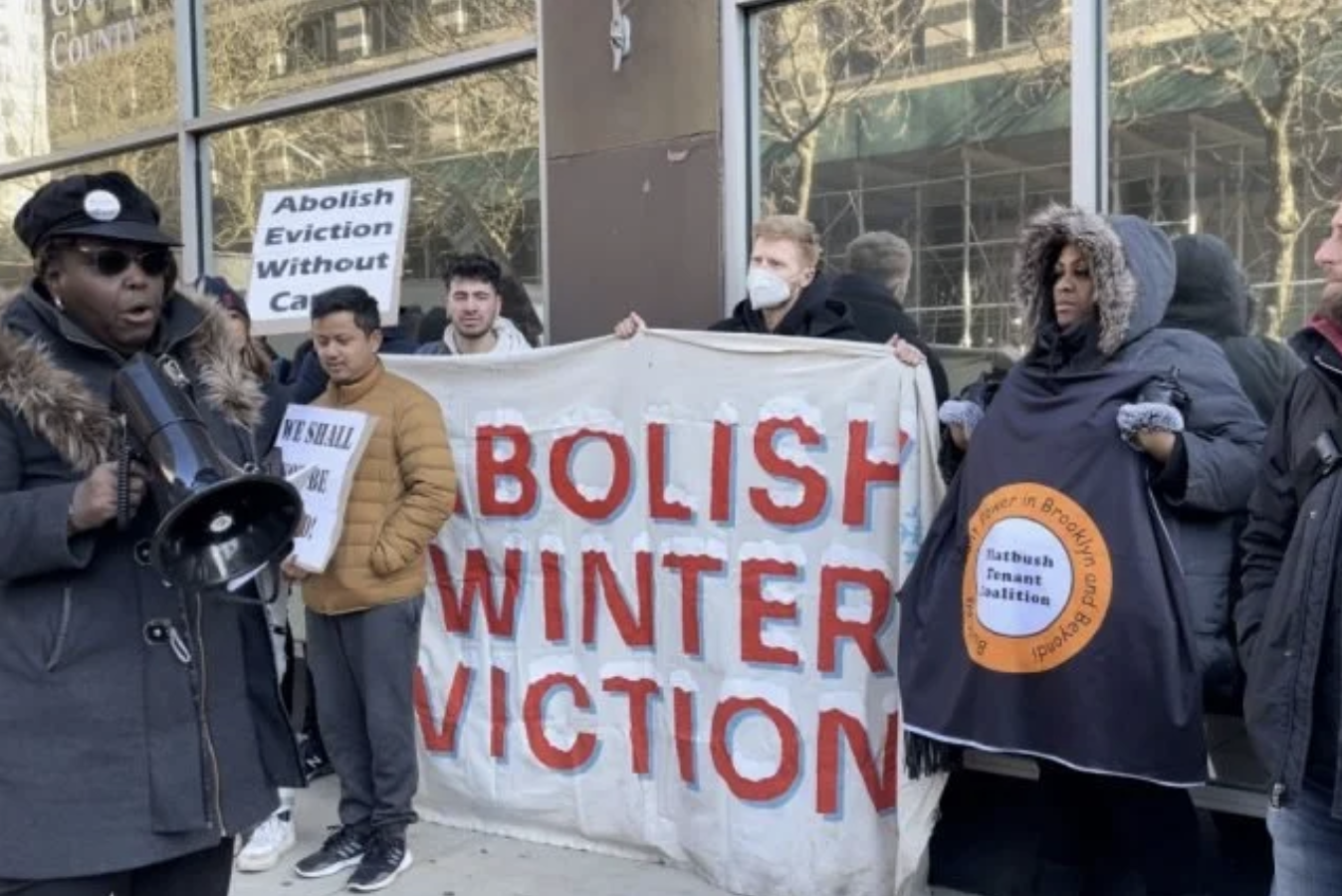
UM: One last question about subsidized housing. Recently the New York Housing Conference put out a report about the large number of eviction proceedings initiated in subsidized affordable housing developments in the city. It seems that many tenants’ incomes can’t keep up with rising living costs. How should policymakers respond?
Schwartz: These households generally have very low incomes and can barely afford their rents in the best of times. But when they lose income because of cutbacks in work hours, unemployment, divorce, or other reasons, or when faced with medical or other emergencies, they can easily fall behind on the rent.
When this happens, affordable housing providers file for eviction. But they almost always do so not to actually evict tenants but to enable them to receive ‘one-shot deals’ from the Department of Social Services that help tenants pay back rent and hopefully stabilize their housing situation. Unfortunately, it can take more than a year for the City to issue this assistance, during which time tenants fall further behind on rent and the building is deprived of essential revenue to cover its costs.
The Housing Conference proposed sensible reforms that would establish new ways to help tenants catch up on their rent, reducing the need for an eviction filing and a one-shot deal. They also call for a new section in Housing Court for residents of subsidized housing which would expedite provision of one-shot deals. These measures would keep rent arrears from escalating, and would help stabilize the finances of subsidized housing. However, they would not by themselves deal with the circumstances that cause tenants to fall into arrears in the first place.
Alex Schwartz is the author of Housing Policy in the United States, now in its fourth edition. He was, until his recent retirement, a professor at the Milano School of Policy, Management, and Environment at The New School and chair of the Milano School’s Master’s Program in Public and Urban Policy.
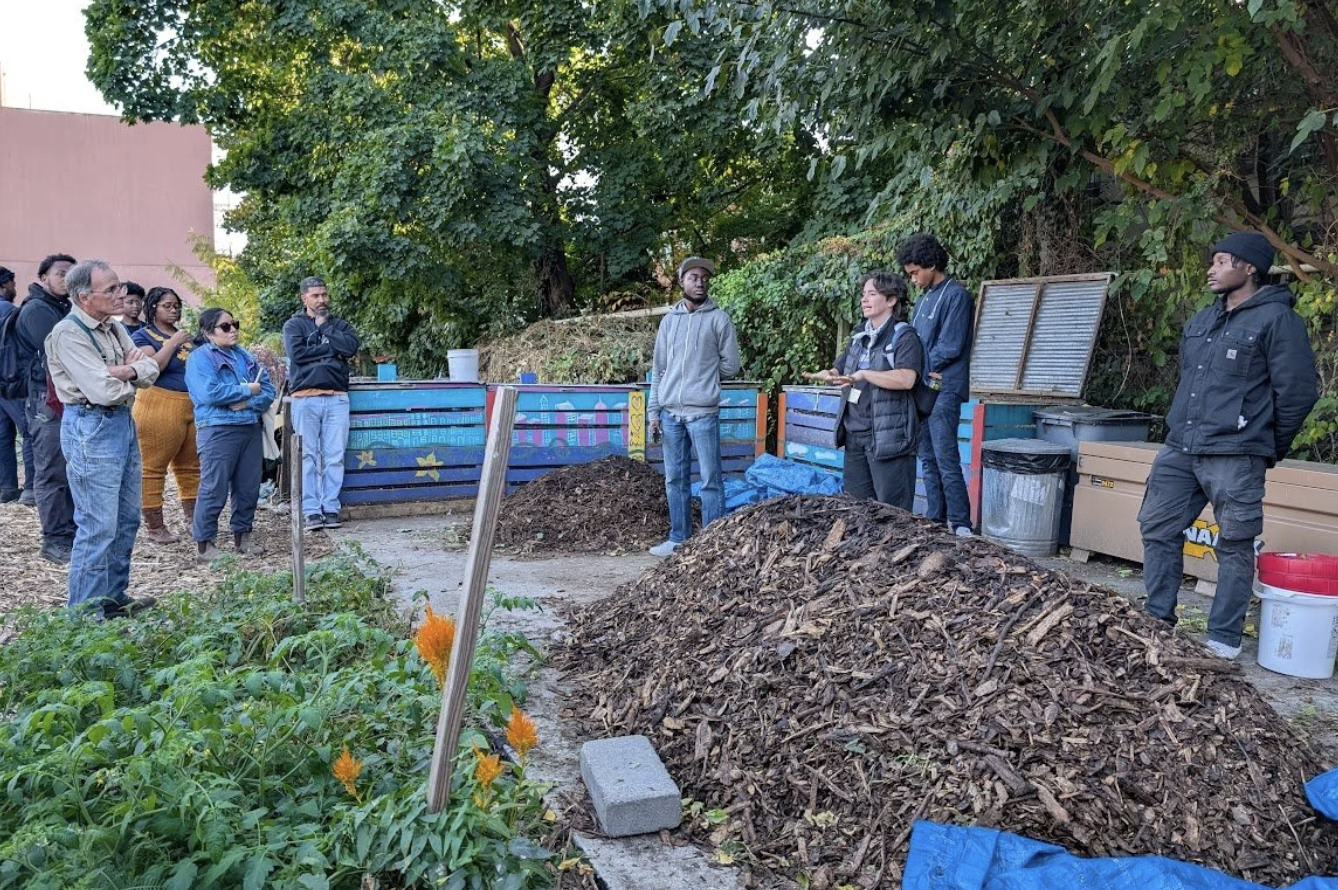
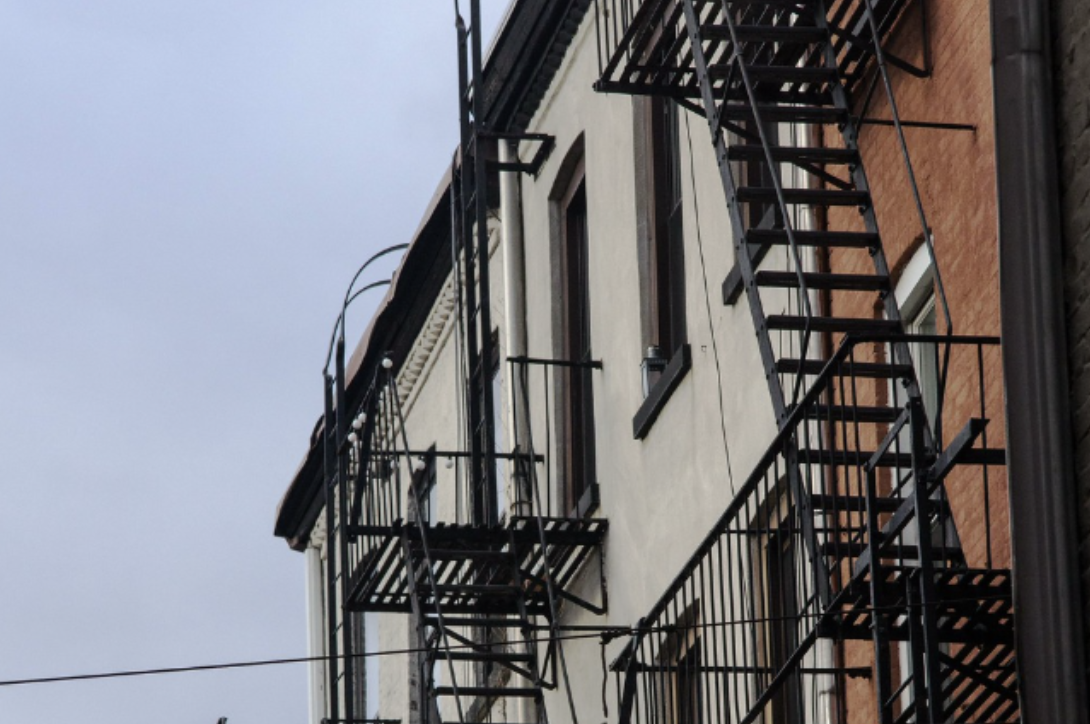
Photo by: Doug Turetsky
There's no previous post
Back to PublicationsThere's no next post
Back to Publications