


This report combines an analysis of the current state of New York City’s changing labor market with a survey and examination of the city’s workforce system – the array of agencies, training programs, and support services designed to help jobseekers find work and careers.
This report offers an extensive overview of the city’s existing workforce development landscape using results from a survey that details the size, scope, and budget of the organizations that make up New York City’s workforce ecosystem; outlines the areas of service, modes of program delivery, and range of certificates and trainings offered; and describes the current state of affairs for the sector in 2022, underscoring the top challenges, needs, and priorities of workforce providers.

New FY2023 commitments at the State and City levels seek to open up access for families and support providers
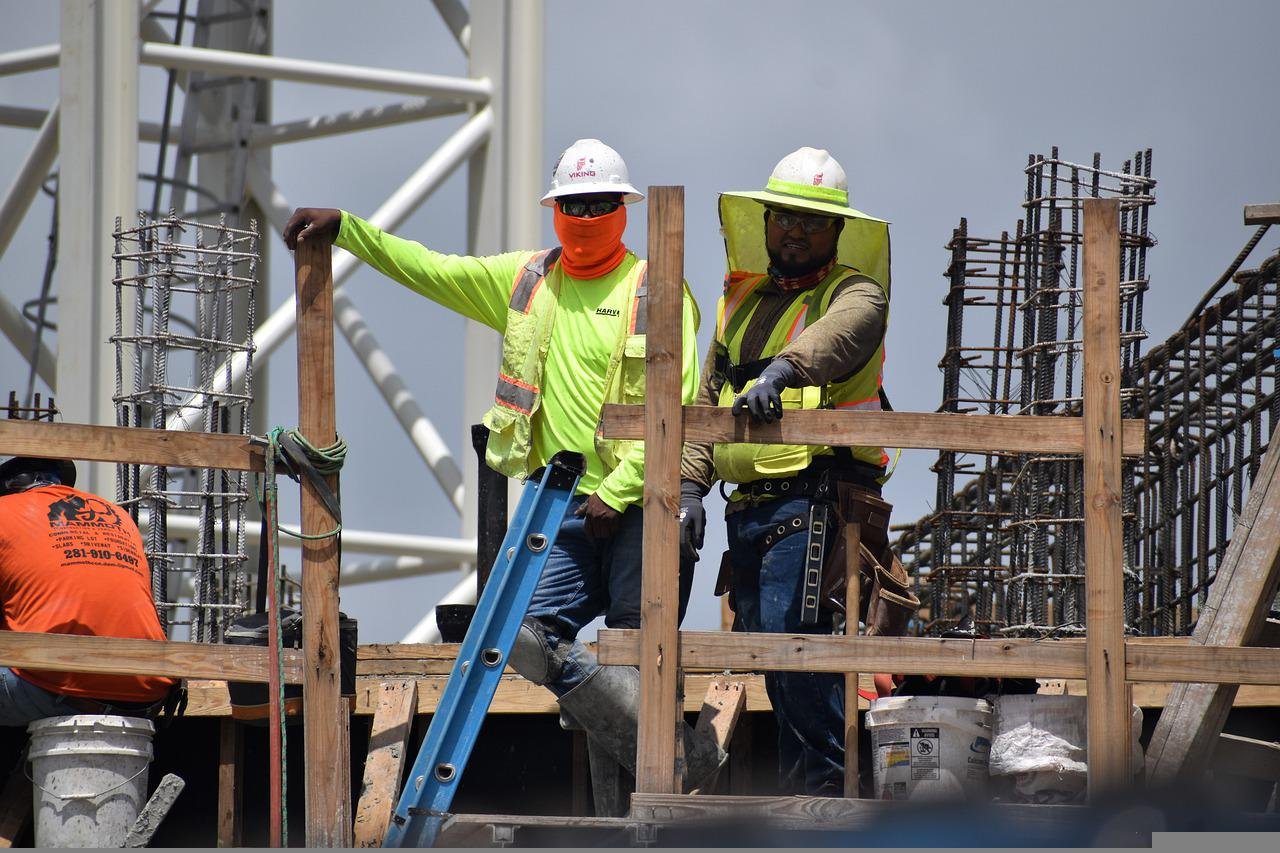
In this report, we focus on workers in New York’s low-paid industries that have the largest number of potentially misclassified workers: those who should be considered employees but are misclassified as independent contractors, including gig workers.
CNYCA's six year statistical survey monitoring New York City's child welfare system
New York City’s recovery from an economy wracked by Covid-19 will hinge on how policy makers face two critical challenges: 1) returning to the full employment that prevailed in the two years before the onset of the pandemic; and 2) ensuring that wages steadily rise for workers in the bottom half of the wage distribution. Meeting these twin imperatives will help ensure that economic growth and progress will be broadly shared and that New York City can make headway to reduce our pronounced income and wealth inequality.
This report argues that to address the glaring pay and benefit disparities between nonprofit core human services workers and similar workers employed by the City, New York City should adopt a prevailing wage approach, and establish a wage and benefit schedule for all contracted human services workers to put them on an equal footing with comparable City employees.
This report details how the City of New York is utilizing $20 billion in Federal Covid-19 relief funding.
This report documents several trends that have shaped the distinctive, and profoundly worrisome, Covid-19 economic and employment impact in New York. It concludes with suggestions on recommended State policy actions to support recovery and building back better.

This report traces the impact of the unprecedented health and economic crisis on front line workers in the in the workforce development field. We present new findings that showcase unique challenges, including the difficulties of placing job seekers when many entry level positions evaporated during early pandemic lockdowns while remaining opportunities sometimes carried greater health risks, and challenges meeting required recruitment, placement, and retention goals and outcomes in a more challenging labor market.
This report traces the impact of the unprecedented health and economic crisis on front line workers in the in the workforce development field. We present new findings that showcase unique challenges, including the difficulties of placing job seekers when many entry level positions evaporated during early pandemic lockdowns while remaining opportunities sometimes carried greater health risks, and challenges meeting required recruitment, placement, and retention goals and outcomes in a more challenging labor market.

The report discusses what we call the “digital transformation” of the workforce development sector. Three broad categories of that transformation are analyzed: New Digital Tools, New Work Norms, and New Areas of Support and Training.

This report examined Covid-19’s severe impact on the New York City hospitality industry as well as long-term economic displacement of workers in the hospitality industry, which will require significant re-training and investment.
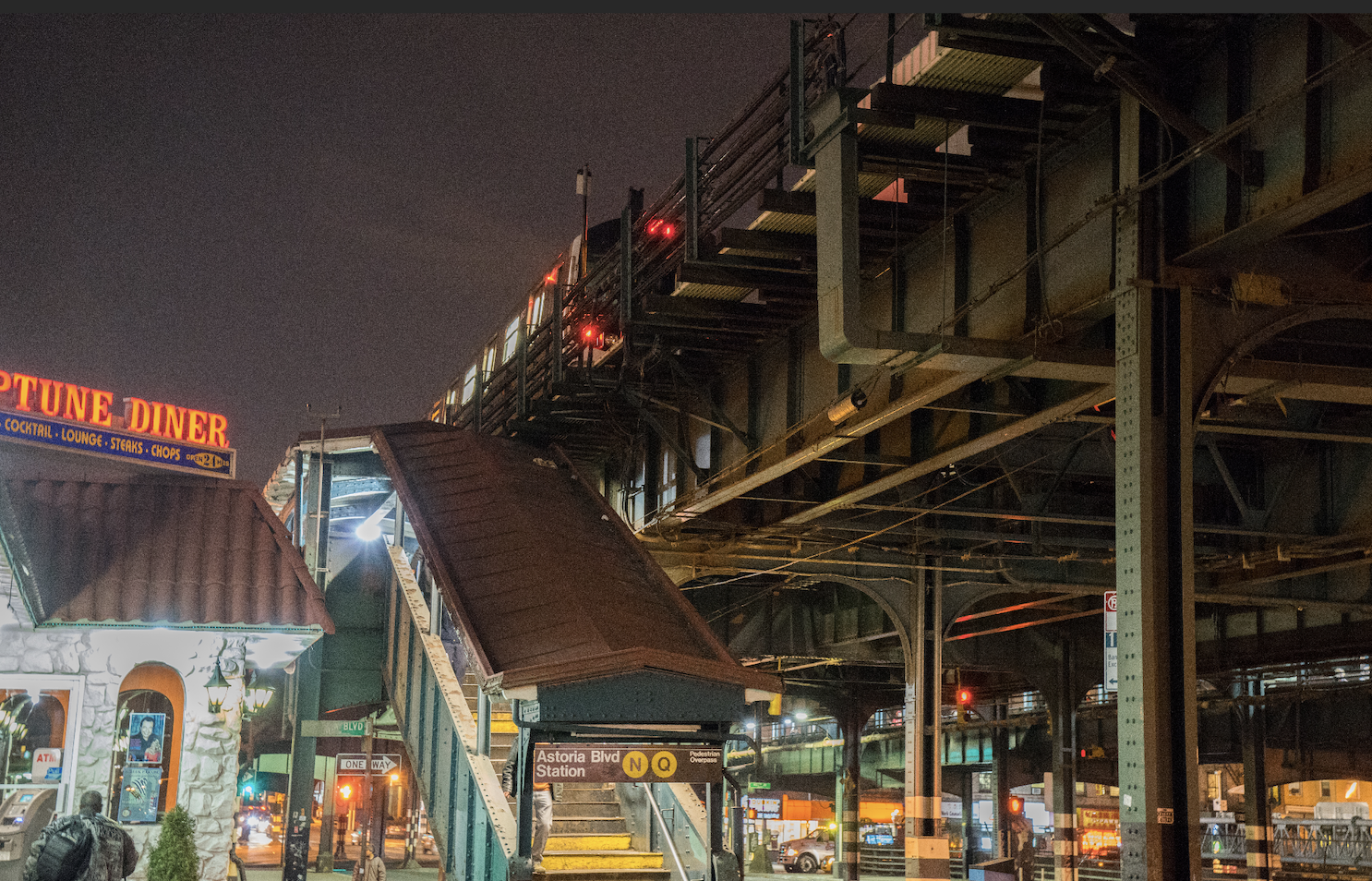
The Astoria Project survey captures the multi-dimensional impact on a single New York City neighborhood during the Covid-19 pandemic, bringing together economic findings, reflections on health and mental health effects, and new perceptions of risk now enveloping routine daily activities.
This report digests important insights from a survey conducted toward the latter part of 2020 by the New York City Employment and Training Coalition (NYCETC), the largest citybased workforce development coalition in the U.S. It situates the struggles and accomplishments of the workforce development sector in the economic landscape of this past year’s job losses, dramatic shifts in patterns of work, and the unequal and disproportionate consequences the pandemic had for the most vulnerable New Yorkers.
This report examines the Covid-19 economic and employment impact in New York City at the end of January 2021 and assesses the several labor market challenges for the year ahead. We look at the demographic and industry contours of the job market effects and investigate how the pandemic has exacerbated wage and income inequality.
This report examines New York City’s app-dispatch driver pay standard and finds that in the first year of the pay standard (pre-pandemic) driver pay increased by about nine percent, passenger fares rose slightly but not much more than in Chicago without a pay standard, passenger wait times declined significantly, and some of the pay increase was absorbed by the app-dispatch companies through lower effective commission rates.

New York’s antiquated law governing unemployment insurance disincentivizes work and threatens to slow the economic recovery. This report from the CNYCA analyzes the proposed Stirpe-Ramos bill’s reform for New York’s partial unemployment insurance benefits and finds that low- and moderate-income workers would benefit and models several scenarios to show that additional costs to the state’s UI trust fund will be small.

Nonprofit social services provide essential services for a broad swathe of New Yorkers, yet these organizations face significant workforce retention and recruitment problems. This report from the Center for New York City Affairs outlines concrete steps that can be taken to invest in these essential workers by building robust career ladders, addressing pay disparities among workers, and raising the compensation of nonprofit workers to aid in retention and recruitment. The ongoing public health emergency and economic dislocation make clear the need to invest in social service workers essential not only during emergencies but also day in and day out.
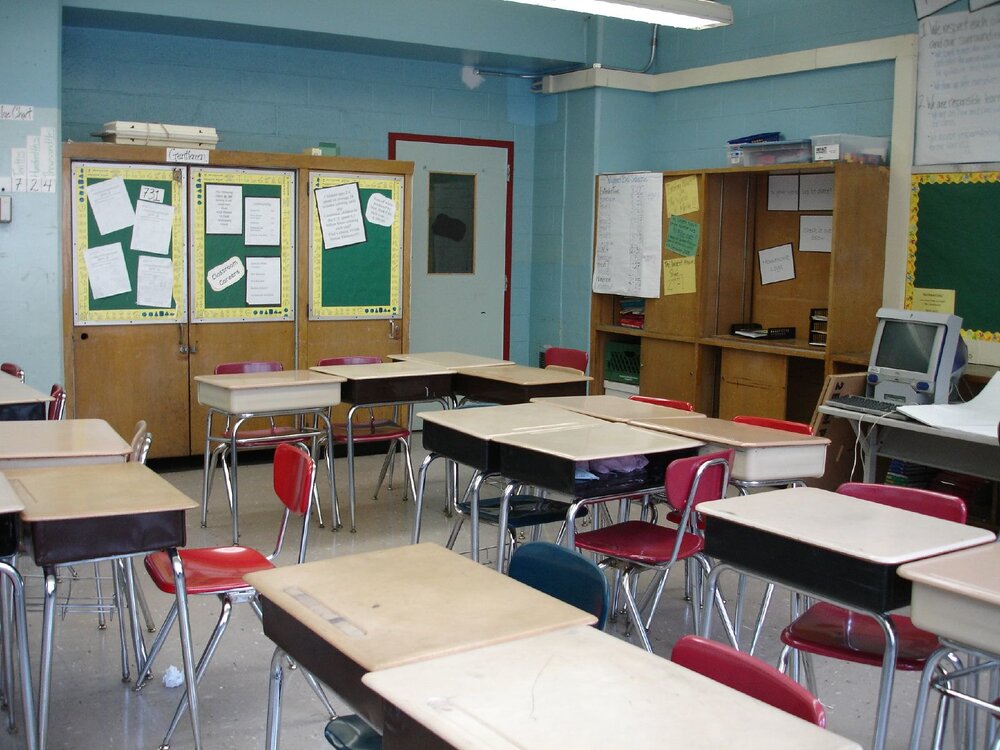
When New York City released its "Bridge to School" plan in late August, officials called on teachers to make students' mental health needs their top priority. "Many of our young people are in pain,” City officials wrote. But as students finally resume classes – remotely this week and in classrooms next – they will find that many social workers and other mental health care providers have disappeared from school budgets.

This report updates the Center's ongoing examination of the Covid-19 economic impact, finding that as of early August, unemployment remains distressingly high, and the July expiration of the temporary $600 Federal supplemental weekly unemployment insurance benefit will impose deep new hardships on hundreds of thousands of New Yorkers and on the entire city economy.

The Center for New York City Affairs and the Center for Wage and Employment Dynamics at the University of California Institute for Research on Labor and Employment are releasing a new report recommending the establishment of a minimum compensation standard for Seattle Uber and Lyft drivers. The study examined pay for thousands of Seattle drivers, and found that drivers net about $9.73 per hour, much less than Seattle’s $16.39 minimum wage for employees of large businesses. A third of all drivers work 32 hours per week or more and provide 55 percent of all trips. Nearly three-fourths rely on driving as their sole source of income.

Since February, New York City has lost 1.25 million jobs, by far the sharpest job decline since the 1930s. To a greater extent than in previous downturns, the Covid-19-related job losses are heavily concentrated among low-wage workers, hitting persons of color, immigrants, young workers, and less educated workers the hardest. It is likely that the city could end 2020 with 500,000 to 600,000 fewer jobs than at the beginning of the year. Substantial additional federal economic assistance is needed to reduce hardships and spark more and better employment opportunities.

A new report by the InsideSchools project of the Center for New York City Affairs at The New School, “Learning Equitably, Digitally, and Well,” examines how teachers, students, and parents have fared since schools switched exclusively to online learning in March. The report draws on in-depth interviews with some 37 students, teachers, parents, researchers, and others, and includes recommendations to City education policymakers for improving online or blended (combination classroom and remote) instruction in the coming school year.

Doctors across New York State see a growing number of young people coming to hospitals with dangerous psychiatric emergencies. It is a first sign, they say, of a looming mental health crisis among children and adolescents. And they warn that—unless the State makes radical changes—many young people will not be able to get the mental health care they need.