

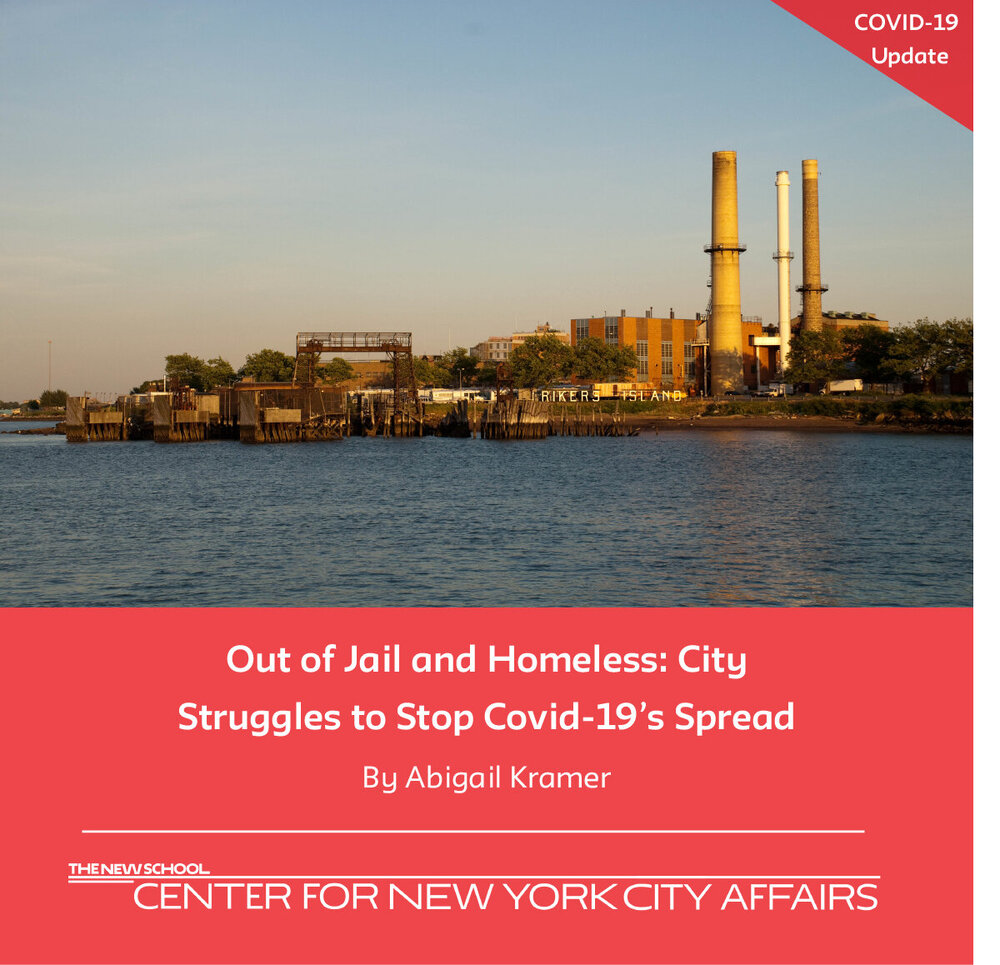
With the help of nonprofits, New York City has begun providing hotel rooms to people leaving jail with nowhere else to go. Advocates say it's a great step, but thousands of New Yorkers remain in danger in the City's crowded jails and homeless shelters.
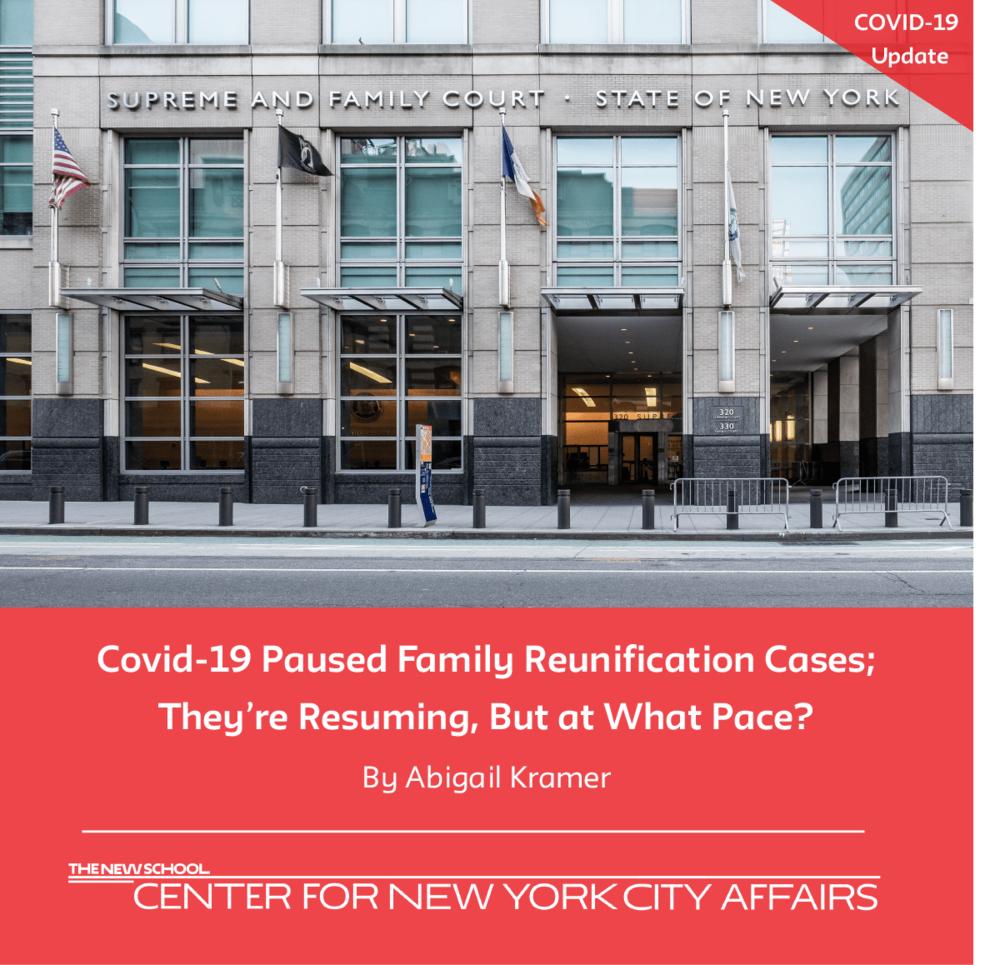
When the coronavirus put New York on pause, the City’s Family Courts shut down most of their operations. Last week, the Court began to open up for matters that might move cases forward. But progress is slow and limited, and many families remain without access to the judges who can send their children home from foster care.
New York City’s economy is in a more precarious state than at any time since the 1970s fiscal and economic crisis. The current public health and economic crisis far surpasses the personal, psychological, and economic devastation wrought by 9/11, the 2008-09 Great Recession, or Superstorm Sandy. The social distancing public health imperative at present has incapacitated a substantial portion of the city’s economy. Job losses and new unemployment claims that have mounted since the beginning of the pandemic are unprecedented. An estimated 1.2 million New Yorkers (or 27 percent of all private sector workers) will be jobless by the end of April in an environment where businesses have been ordered to close and non-essential personnel told to stay at home. This report identifies the workers and industries that are expected to experience the most profound displacement and economic losses as business closures and social distancing measures demanded by the health crisis continue. The daunting economic challenges New York City faces in the months and years ahead are discussed.
Covid-19 has torn through the City's juvenile detention centers. Frantic parents say their kids should be sent home.
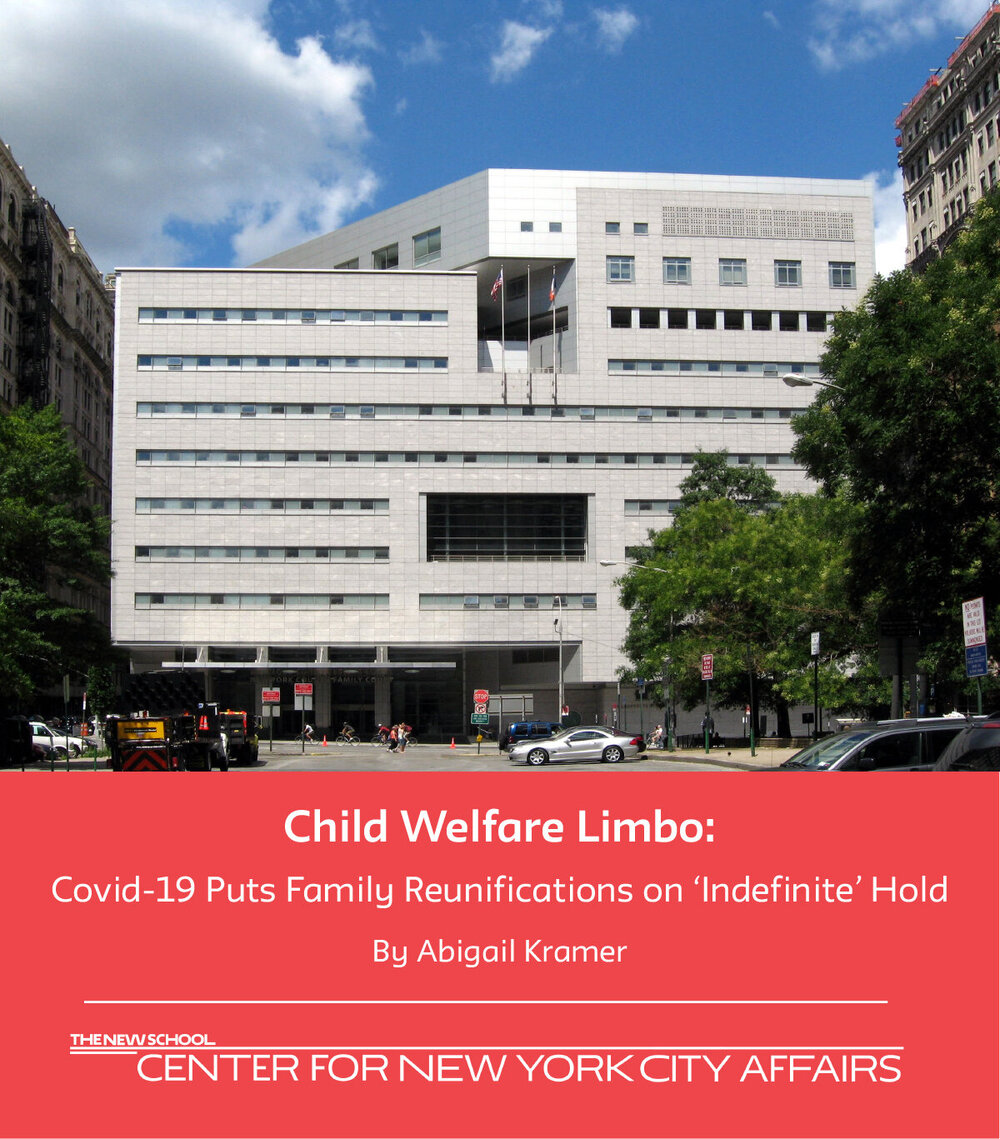
Amid the chaos caused by Covid-19, New York City parents with kids in the child welfare system have lost access to the Family Court
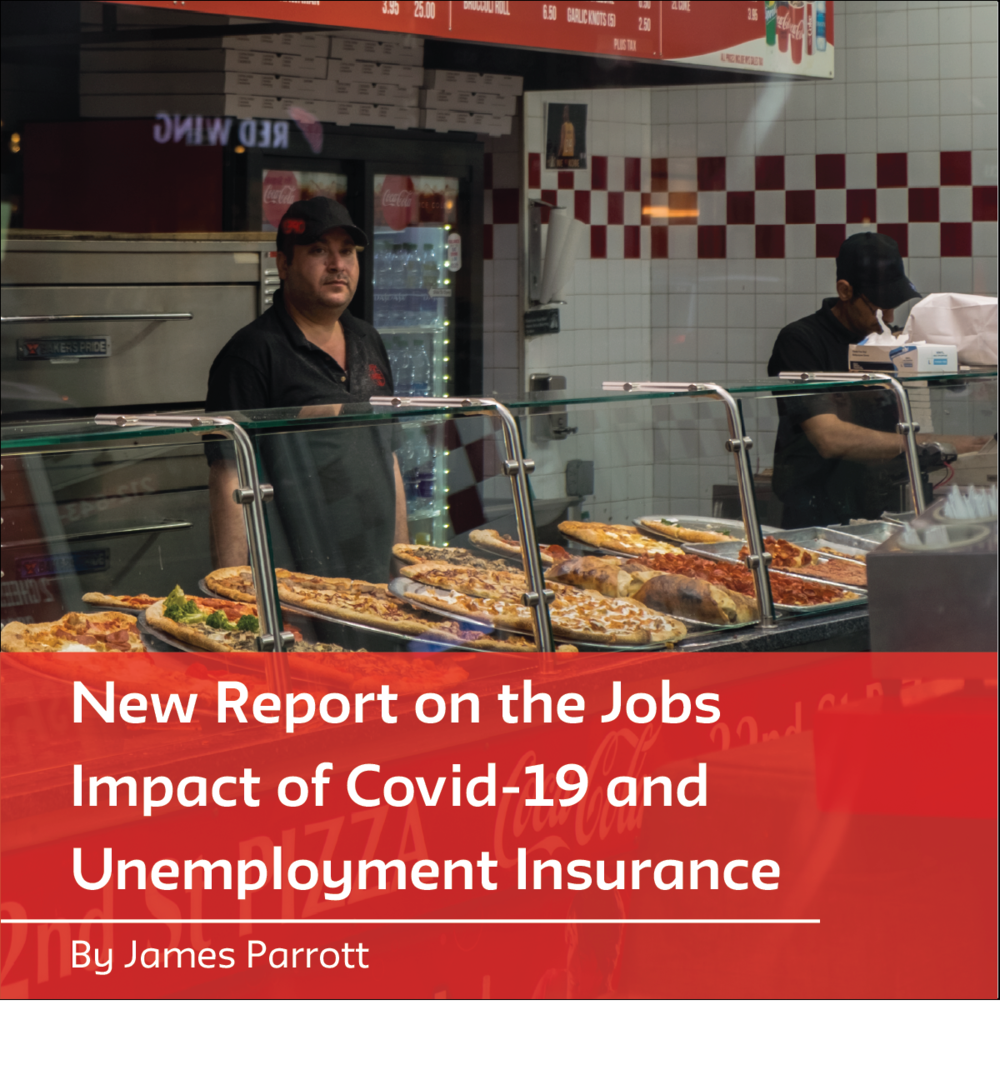
James Parrott, director of economic and fiscal policies for the Center for New York City Affairs at The New School, partnered with The Century Foundation and its Senior Fellow Andrew Stettner on a new report projecting up to 15 million U.S. lost jobs due to the coronavirus pandemic. The report also estimates the value of a key provision in the new Senate stimulus bill regarding unemployment insurance benefits.
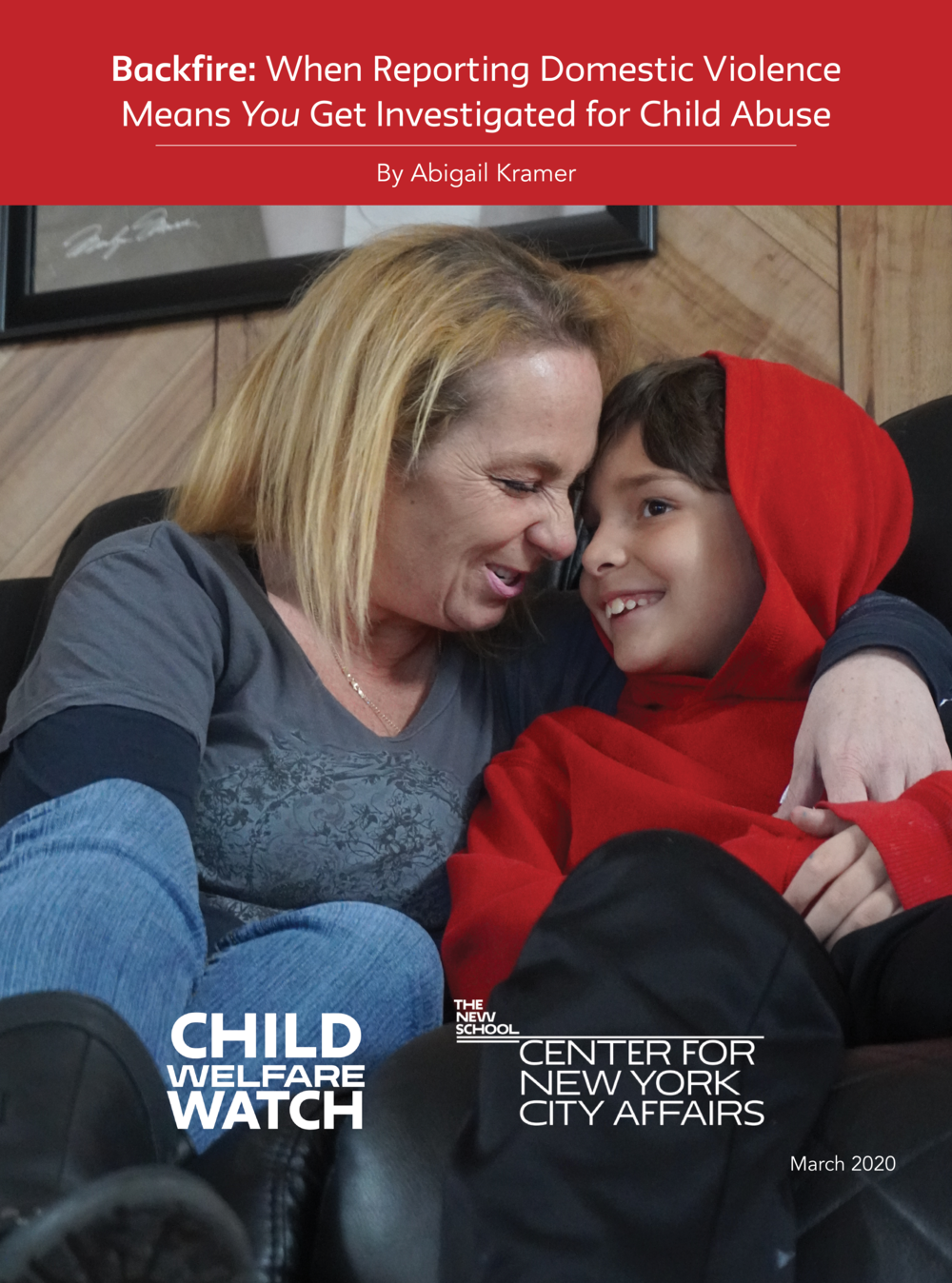
Child welfare investigators, often the first responders to domestic violence cases, aim to help both children and adult victims. However, critics argue that child welfare interventions can go wrong, turning victims into suspects and causing chaos for vulnerable families.
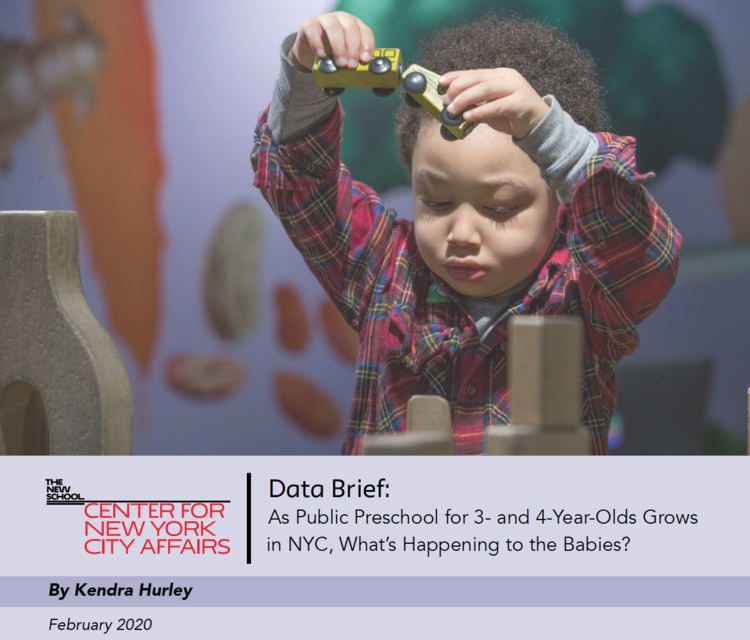
The analysis examines the unintended consequence of free, public preschool programs on the supply of child care for babies and toddlers in New York City. It suggests concerns that affordable infant and toddler care for low-income parents may be at risk despite similar enrollment numbers in subsidized child care programs.
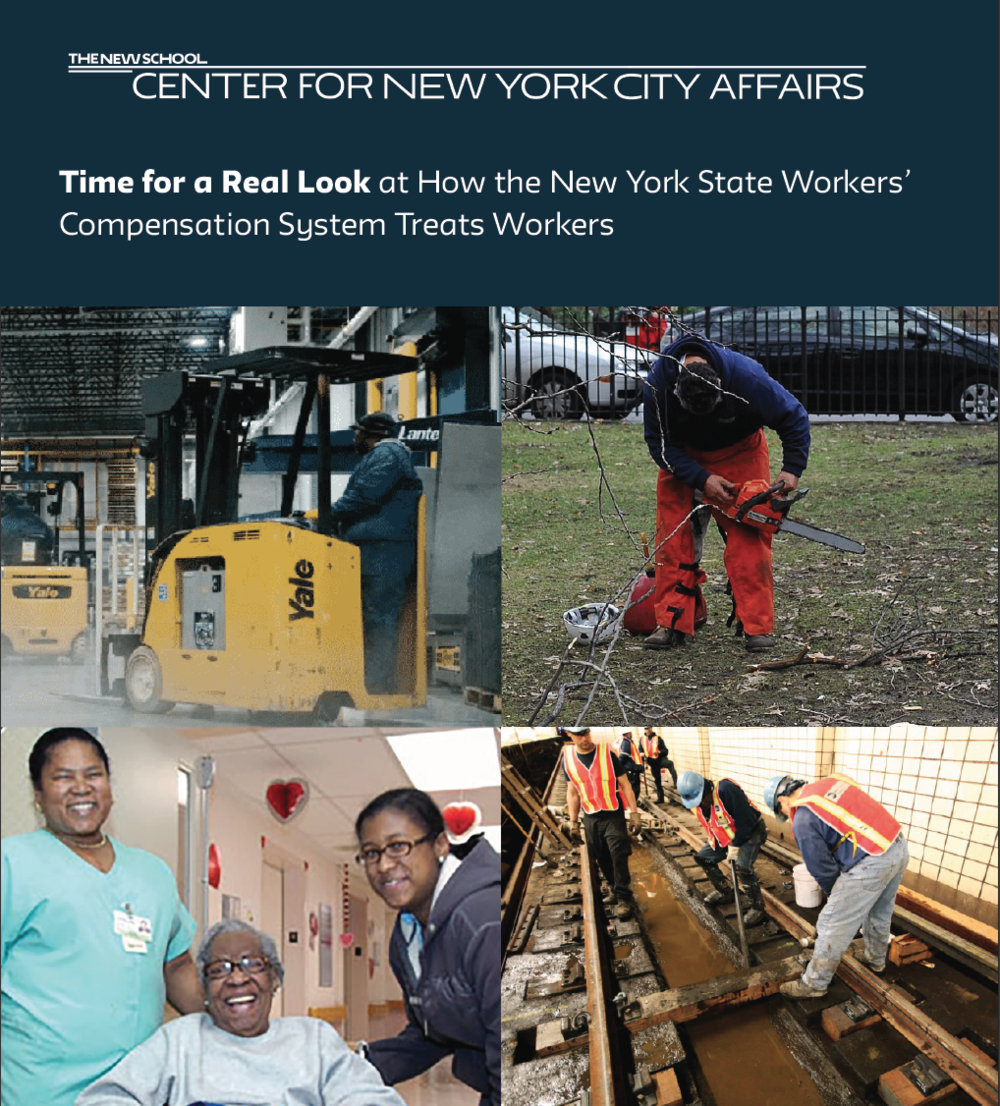
Despite an early history as a national leader in safeguarding the interests of workers injured on the job, New York’s workers’ compensation system has eroded considerably over the years, as legislative and administrative changes have often focused on curtailing benefits rather than adapting to changes in the economy, workforce, and business practices. While legislative changes in 2007 and 2017 included some positive measures, for the most part changes significantly lessened the adequacy of worker benefits. The unfortunate result is that the focus of workers’ compensation in New York has shifted from fairly compensating injured workers to minimizing employer costs.
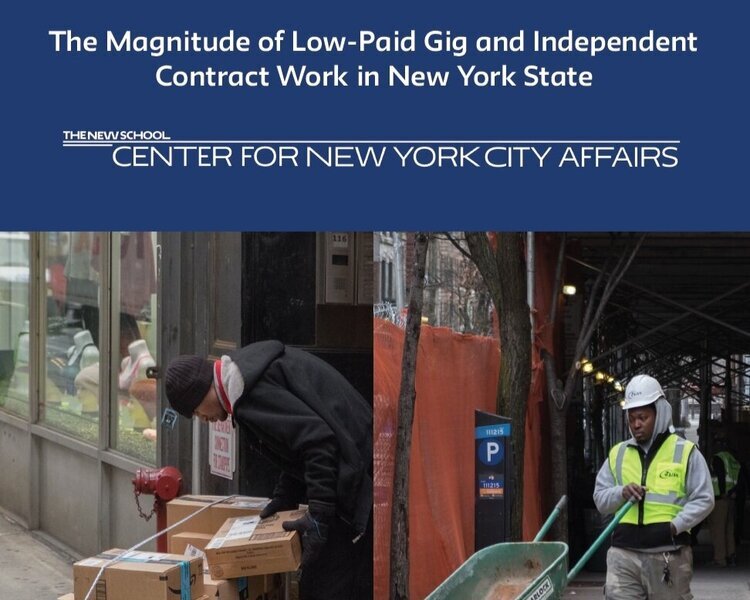
This report highlights the magnitude and characteristics of New York State’s low-paid independent contractor workforce over the past decade. While the number of app-based independent contractors has grown significantly in recent years, we estimate that they constitute at most 17.5 percent of all low-paid independent contractors in New York State and that there is a much broader group of workers whose work status needs to be examined and clarified.
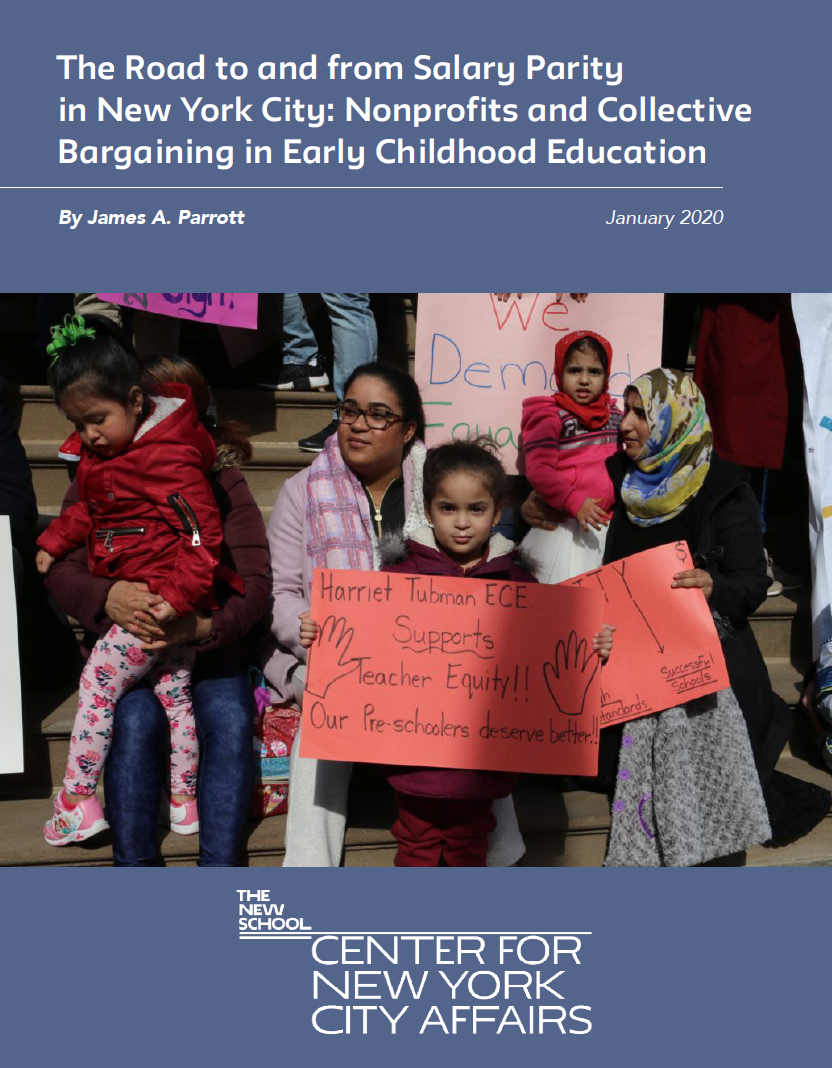
This report examines the progress achieved with New York City’s July 2019 commitment to early childhood education (ECE) starting pay salary parity that will raise pay for certified teachers in community-based organizations (CBOs) by 30-40 percent by October 1, 2021.
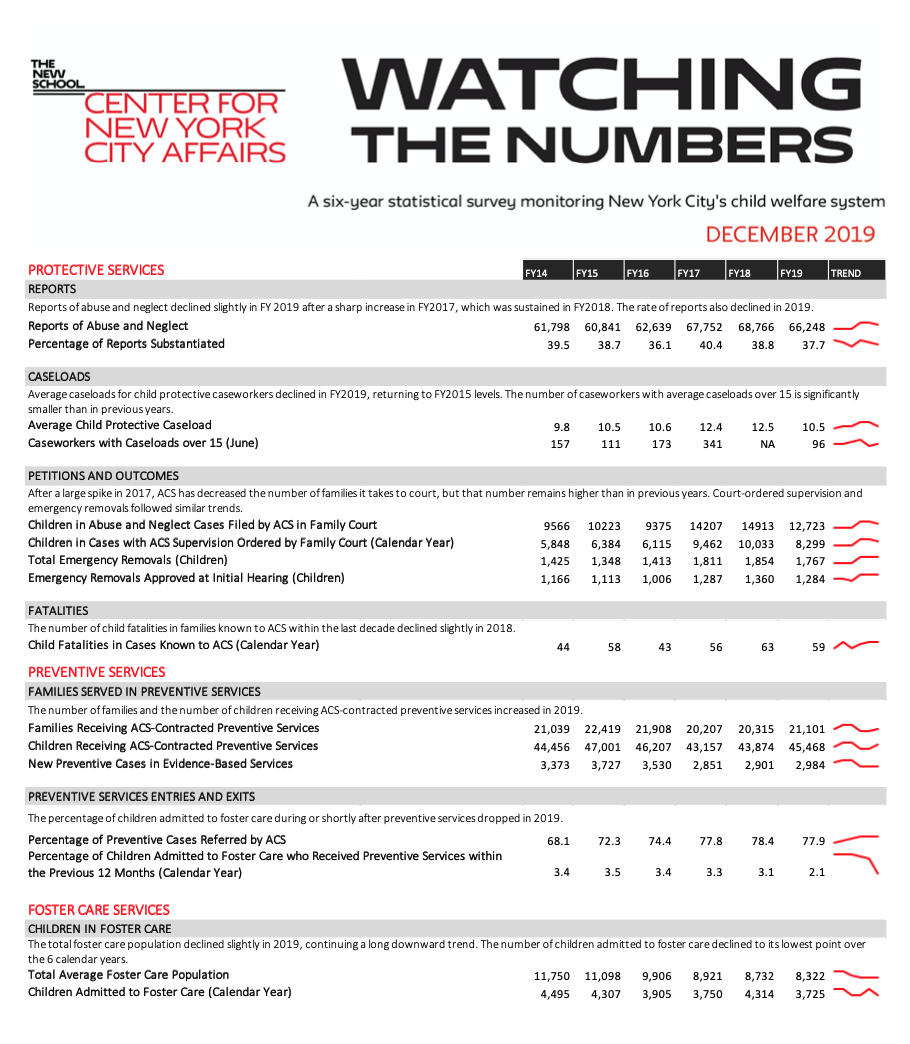
Our six years of key indicators spotlight trends in New York City’s foster care and preventive services systems.
Across New York State, children and adolescents wait weeks—or even months—to get treatment for serious mental health problems. In the coming year, mental health providers and advocates warn that the situation may get worse. Despite an increase in teen suicide attempts, State officials plan to cut payments for several mental health programs that serve young people in their homes and communities.
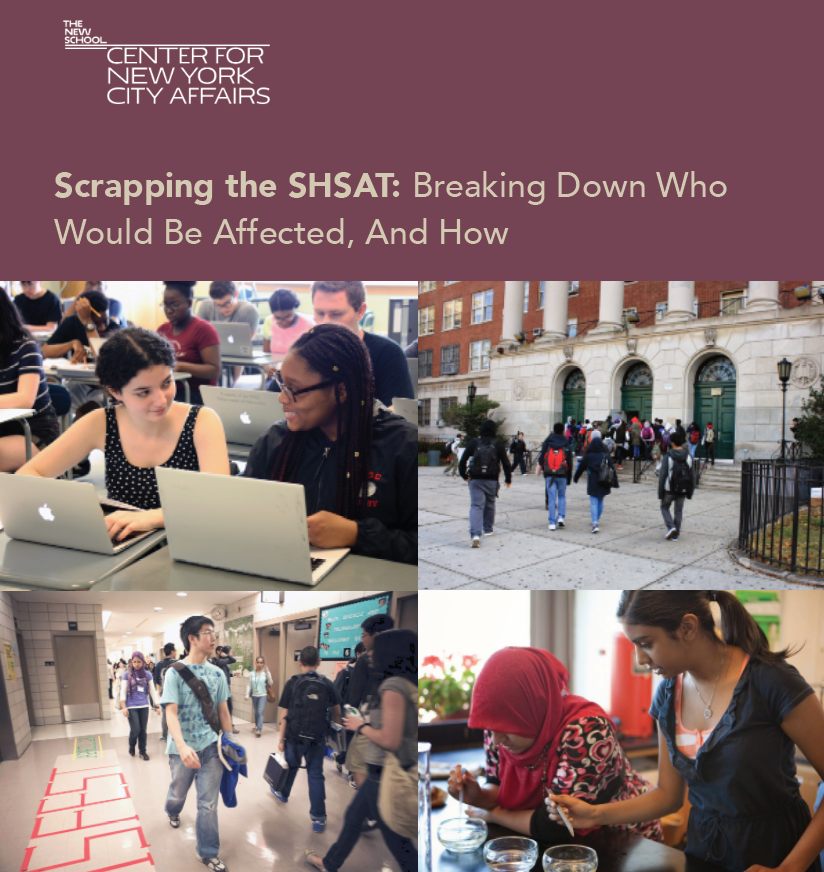
Mayor Bill de Blasio’s proposal to end use of the Specialized High School Admissions Test (SHSAT) would make the city’s most elite public high schools more racially and ethnically diverse. The mayor’s plan would instead offer seats at the specialized high schools to the top performers in each of the city’s public middle schools. We tested this proposal and found that, if enacted, it would give some 2,000 academically qualified Black and Latinx students each year access to higher-performing schools and a more ethnically diverse cohort of fellow students than they typically have through the current school choice process.
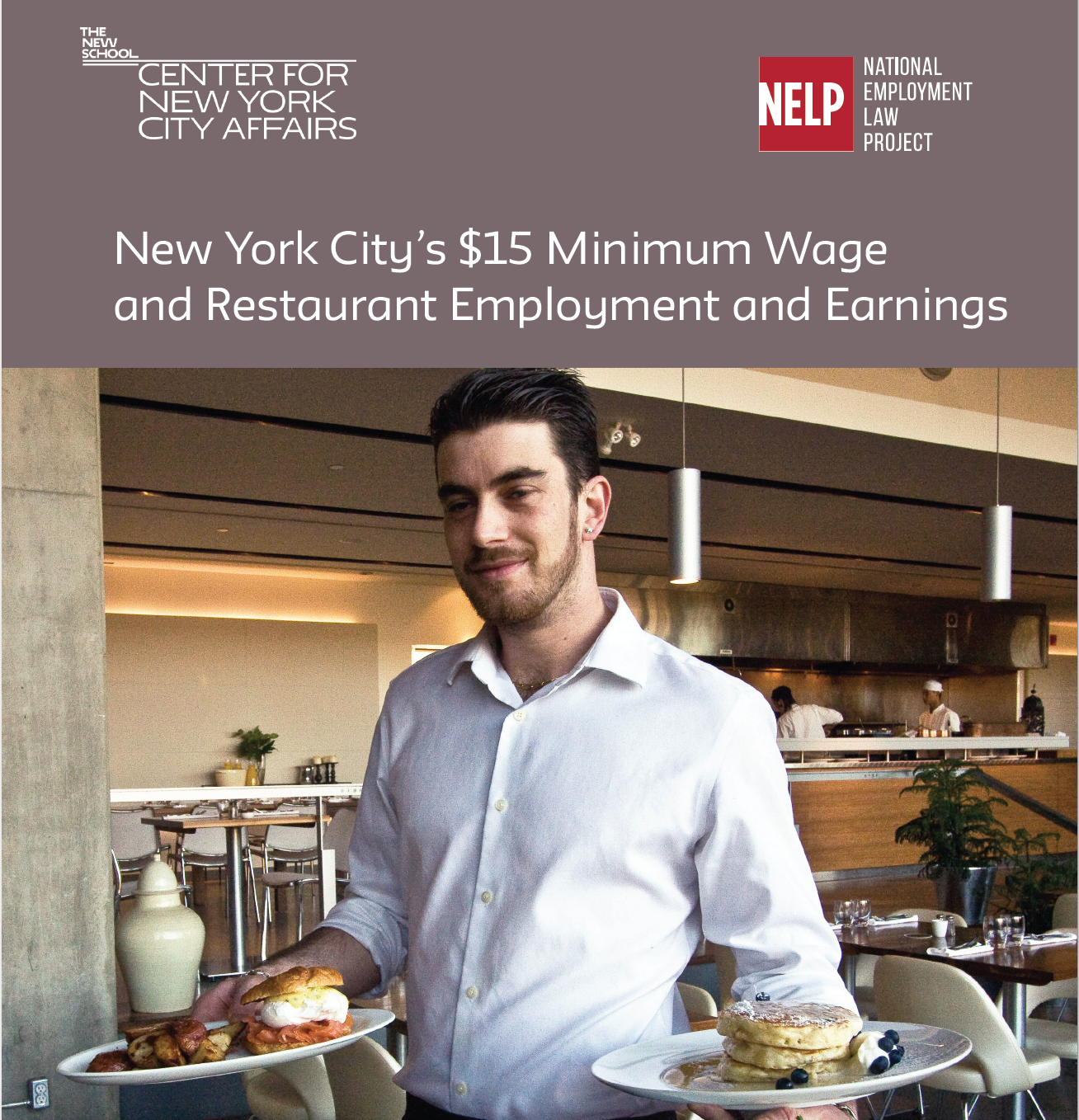
This is the first assessment of restaurant employment and earnings over the entire period of New York City’s historic minimum wage increases, 2013-18. Contrary to fears of massive job losses, $20 Big Macs, and shuttered restaurants, we found a thriving industry.
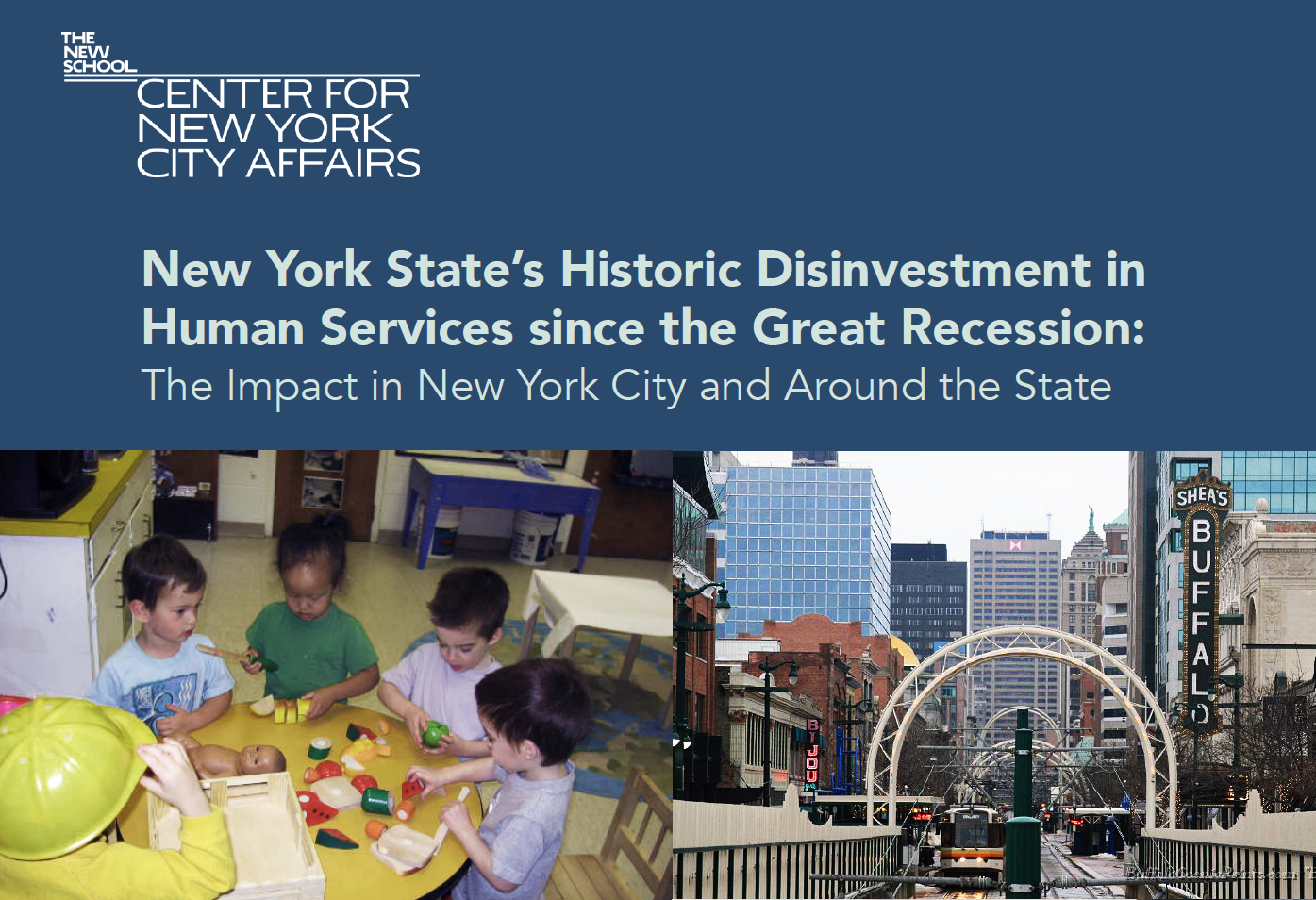
Human services aid from New York State helps localities pay for direct services, including public assistance and services provided through nonprofits. In this report we examine New York State, New York City and county budget data to understand how State funding trends affect localities across the state and New York City in particular.

Nearly 15% of New York City public high school students and about 18% of middle school students attend academically “screened” schools that rely on such factors as student grade point averages and standardized test scores for admission. Some educators and activists believe that screens reinforce racial and social privilege and should be abolished. “Screened Schools” addresses this subject and suggests a range of practicable strategies for increasing both diversity and educational quality in schools across the city.
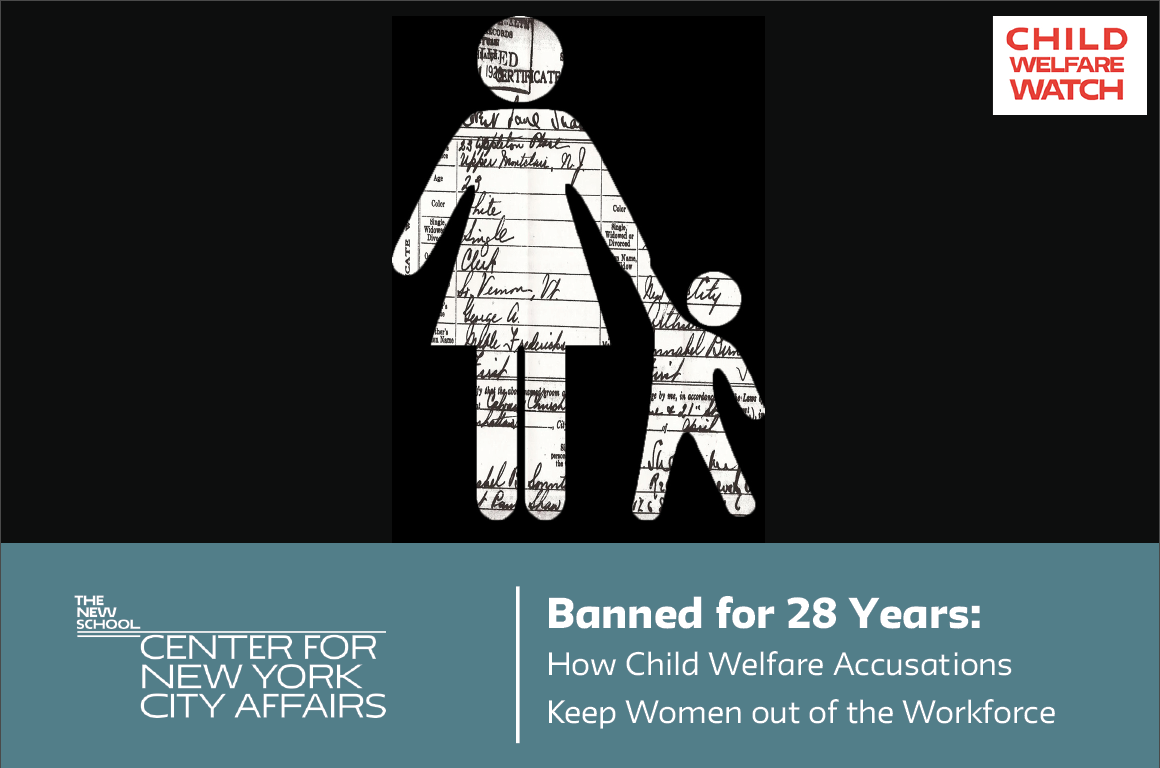
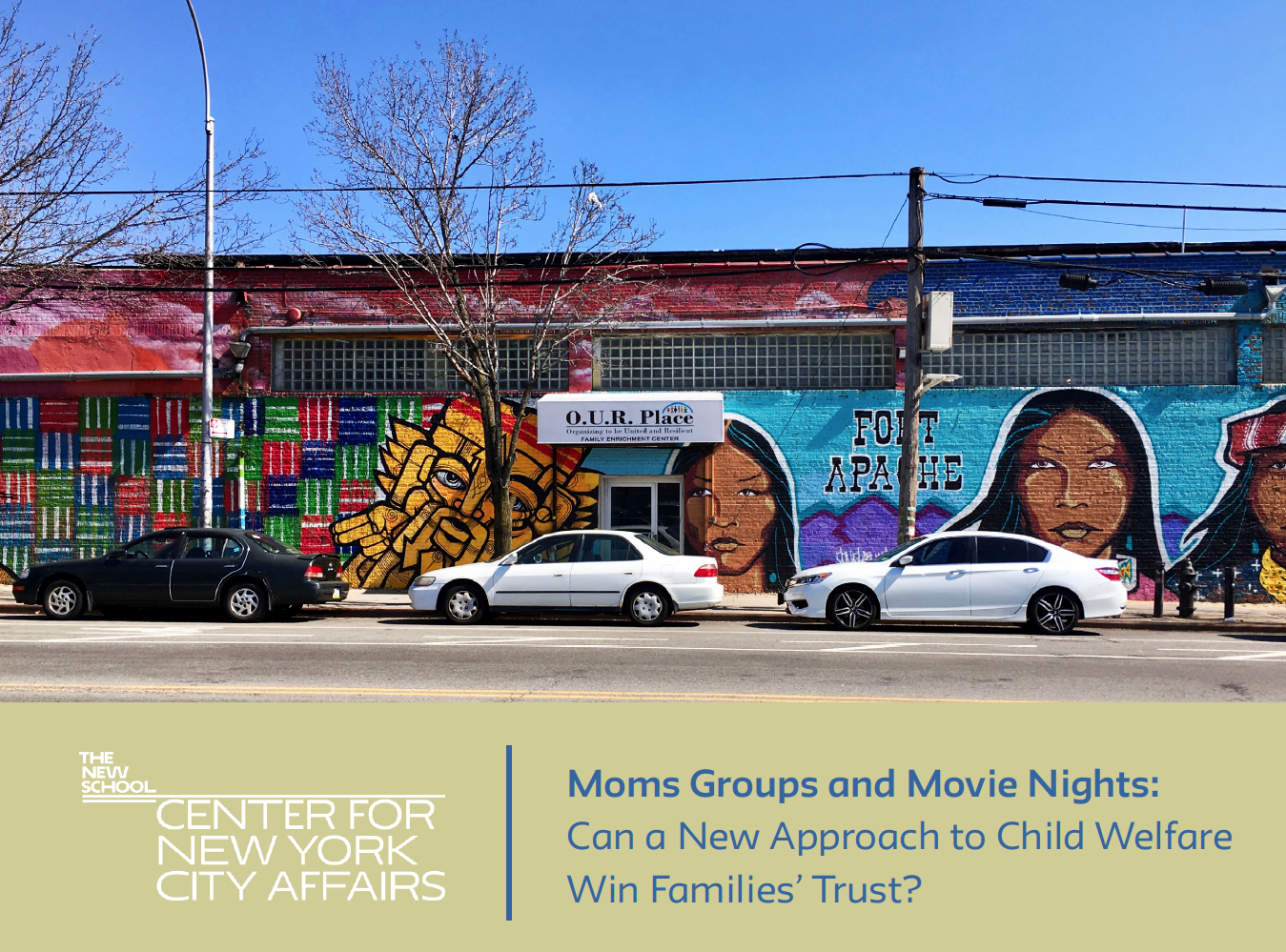
Francine Almash was not especially surprised when an investigator from New York City’s child welfare agency showed up at her door. A few months earlier, her then-10-year-old son, Shawn, who is autistic, had been pinned to a wall by a crisis counselor in his special education classroom and come home with a broken thumb. Almash refused to send him back, and so the school called the State’s child abuse hotline to report her for neglecting Shawn’s education.
This brief provides an update to the report that Parrott and Reich issued in July 2018, "An Earnings Standard for New York City’s App-based Drivers: Economic Analysis and Policy Assessment,” and informs the final pay standard as incorporated in the Driver Income and Transparency Rules, adopted by the NewYork City Taxi and Limousine Commission (TLC) on December 4, 2018. The newpay standard takes effect February 1, 2019.
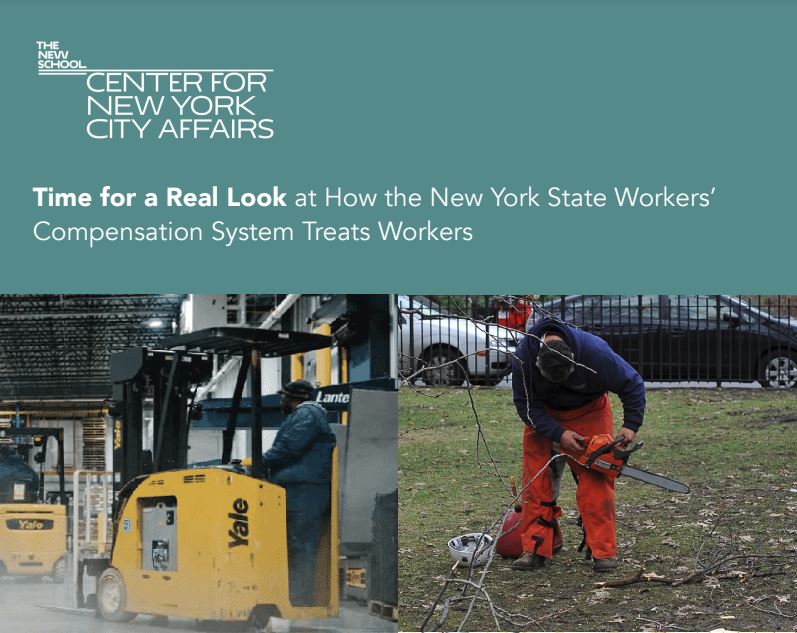
Despite an early history as a national leader in safeguarding the interests of workers injured on the job, New York’s workers’ compensation system has eroded considerably over the years, as legislative and administrative changes have often focused on curtailing benefits rather than adapting to changes in the economy, workforce, and business practices. While legislative changes in 2007 and 2017 included some positive measures, for the most part changes significantly lessened the adequacy of worker benefits. The unfortunate result is that the focus of workers’ compensation in New York has shifted from fairly compensating injured workers to minimizing employer costs.